Get Full Government Meeting Transcripts, Videos, & Alerts Forever!
Palm Bay budget workshop previews FY‑26 spending, council signals preference to maintain current millage rate
Summary
City staff presented a preliminary FY‑26 budget with department requests exceeding available recurring revenue; council members indicated support for keeping the current millage rate (6.7339) while staff will publish a formal proposed rate and set public hearing dates next week.
City of Palm Bay staff on Monday presented a preliminary FY‑26 budget and three tax‑rate options to the City Council, outlining roughly $36 million in general‑fund requests and a larger, citywide request portfolio concentrated in capital projects. Several council members said they favor maintaining this year’s millage rate while staff will file a proposed rate and the public‑hearing schedule at next week’s regular meeting.
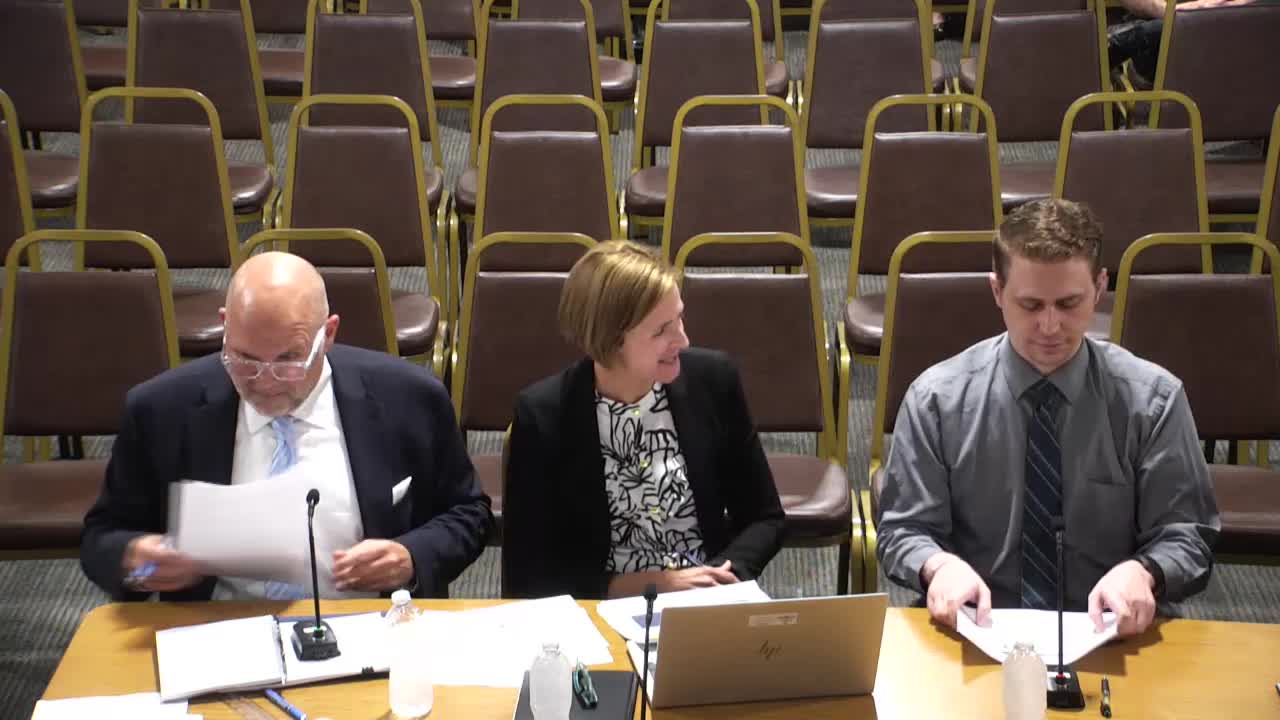
The presentation combined a general‑fund overview, department priority requests, and scenarios tied to three rate options: the city’s current rate (6.7339), the statutory 3% cap rate (6.3658), and the rollback rate (6.4071). Angelica Collins, assistant finance director, and Shane Byrd, budget analyst, walked the council through revenues, recurring vs. one‑time uses of fund balance, and the projected “new net revenue” tied to each rate.
Why it matters: the council’s choice of a proposed millage rate will determine how much recurring revenue is available for high‑priority needs—chiefly public safety vehicles and station upgrades, parks and facilities projects, and utility and road infrastructure—and whether the city will rely on audited fund balance to cover one‑time needs.
City manager Mr. Morton framed the discussion as a choice between short‑term restraint and longer‑term maintenance needs: “Postponing necessary investments increases the risk of breakdowns, emergency repairs, and even total replacements,” he told council. Morton gave examples of deferred maintenance translating to higher long‑term costs, including a public‑works tractor bought for about $47,000 that has since required roughly $147,000 in repairs, and aging fire apparatus he said are 20–25 years old.
Staff summary of revenues and fund balance
- Shane Byrd said the FY‑26 preliminary budget…
Already have an account? Log in
Subscribe to keep reading
Unlock the rest of this article — and every article on Citizen Portal.
- Unlimited articles
- AI-powered breakdowns of topics, speakers, decisions, and budgets
- Instant alerts when your location has a new meeting
- Follow topics and more locations
- 1,000 AI Insights / month, plus AI Chat