Get Full Government Meeting Transcripts, Videos, & Alerts Forever!
Get email alerts on the Surveillance Pricing Ab446 topic
No spam. Unsubscribe anytime.
Bill would ban 'surveillance pricing'—charging different prices using personal data—while protecting loyalty discounts, author says
Summary
AB 446 would make it unlawful to charge different prices based on a consumer's personal data profile (surveillance pricing) while exempting legitimate loyalty and membership discounts; supporters said the practice is predatory and disproportionately harms lower-income shoppers, industry groups urged clarifications.
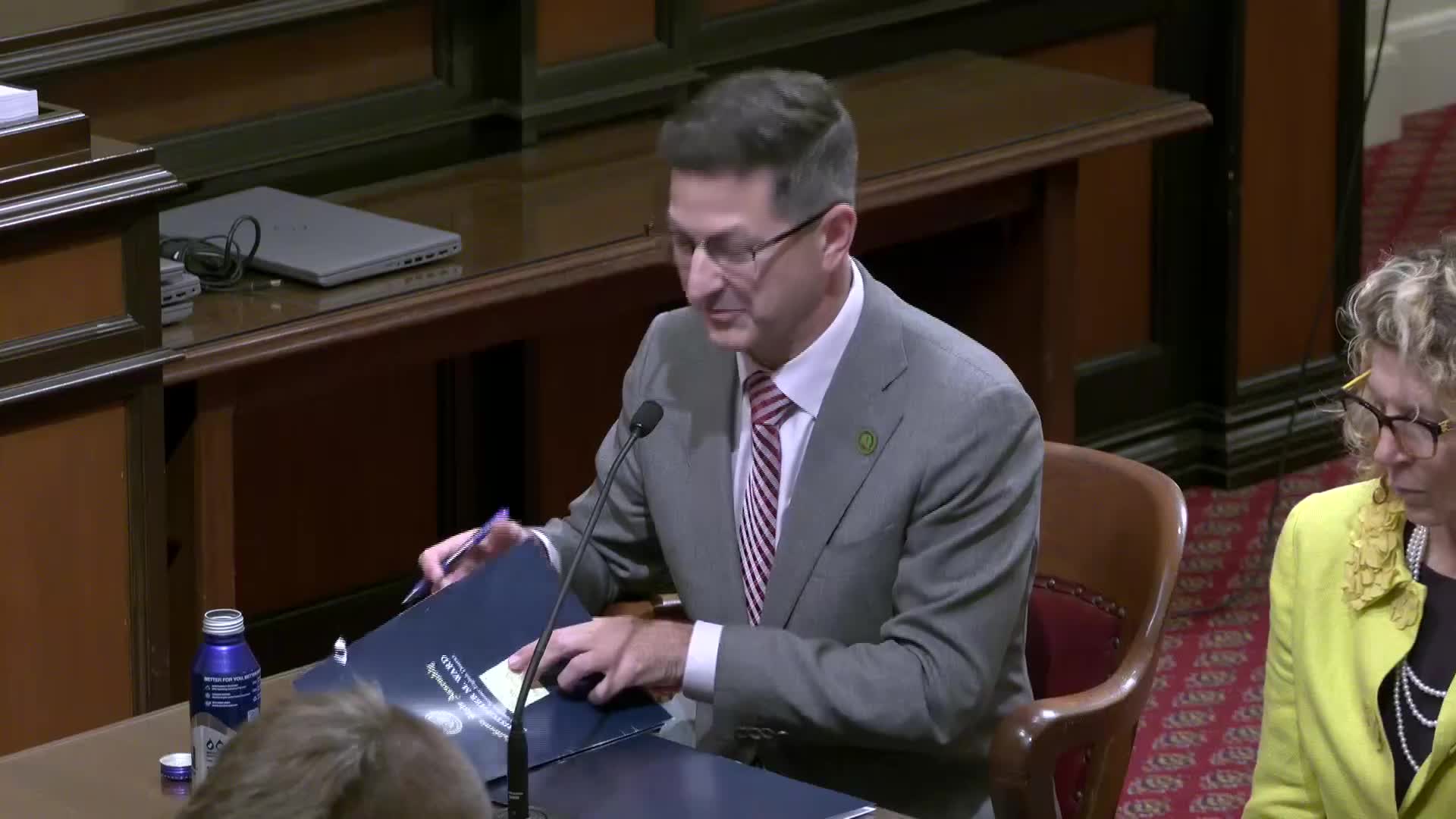
Assemblymember Ward presented AB 446, the Surveillance Pricing Protection Act, to prohibit businesses from using personal data to charge different prices for the same product or service when that differential is linked to a consumer's data profile ("surveillance pricing"). The author and cosponsors said the bill is targeted at emerging practices that use geofencing, battery-level or other tracked data to increase prices for particular consumers.
Proponents argued the bill protects consumers and helps prevent discriminatory and predatory pricing. "Retailers know increasingly more and more information about us and can use that data to charge us as much as they think we will pay," said Kim Stone of Consumer Watchdog. She and others gave examples from reports of price differences by device type, location, or other inferred characteristics. Supporters said the bill preserves standard dynamic pricing and common discounts, and committee amendments clarified exemptions for loyalty programs and many ordinary discounts.
Industry groups including the California Grocers Association, retailers' associations and technology trade groups opposed the bill as drafted. They argued disclosure requirements and a narrow definition of permissible discounts could undermine loyalty programs and make common manufacturer coupons or history-based offers impracticable. Several industry witnesses asked the author to submit clarifying language and expressed willingness to continue talks; the author invited stakeholders to provide language.
The bill remained under committee consideration in the recorded portion of the hearing; the author asked the committee for an 'I vote' and said he would continue to work with stakeholders on clarifying language.