Get Full Government Meeting Transcripts, Videos, & Alerts Forever!
Get email alerts on the Board Governance topic
No spam. Unsubscribe anytime.
Douglas County SD 4 board tables proposed OSBA-based code of conduct, seeks local revisions
Summary
Board members debated an OSBA model code of conduct and a proposed board member statement of personal conduct; several directors said the draft needs rewriting and the board agreed to revisit it in a future work session.
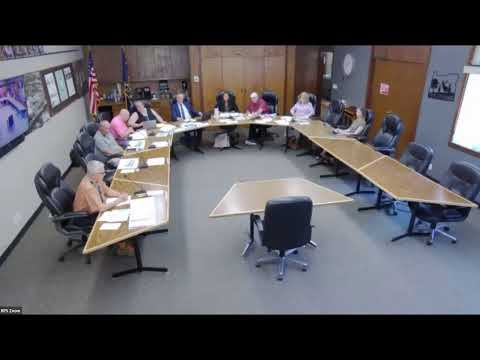
Douglas County SD 4 board members discussed a model code of conduct provided by the Oregon School Boards Association and a draft board member "statement of personal conduct" during a work session, but did not adopt either document. After extended debate about language, accountability, and the proper role of elected members, the board agreed to table the proposal for further revision and review in a future work session.
The discussion centered on two sections members flagged as problematic. Director Keith Kubik said the OSBA language omitted explicit protection for an individual board member's right to dissent, saying the code should not imply members "give up your rights because you're elected to the board." Director Rod Cotton objected to phrasing he called unclear about "conflicted loyalty" and said he would not sign the draft in its current form. Board Chair Brandon described the draft as "just a suggestion" and said the intent was to create a signed statement similar to the board-superintendent operating agreement.
Several members also raised concerns about a draft clause that would bar board members from publicly addressing superintendent or staff performance, with one director saying the wording would prevent members from commending staff. Members linked the debate to state law and existing Oregon Revised Statutes (ORS), noting that the board's authority ultimately derives from statute and voters.
Board members agreed there is potential value in a local statement of conduct but that the draft needed more "meat on the bones" and clearer language. The chair asked staff to move the document into a file and bring it back for detailed review at a later work session so members could provide written feedback in advance.
The board did not take a formal vote to adopt or reject either the OSBA model or the draft statement; the item was tabled for future revision and a follow-up work session.