Get Full Government Meeting Transcripts, Videos, & Alerts Forever!
Get email alerts on the Workplace Automation topic
No spam. Unsubscribe anytime.
Committee backs ban on predictive firing by automated decision systems, requires human oversight in employment
Summary
The committee advanced SB 7, which would require human oversight of automated decision systems used for discipline or termination and prohibit reliance on ADS predictions of future worker behavior as the primary basis for employment actions.
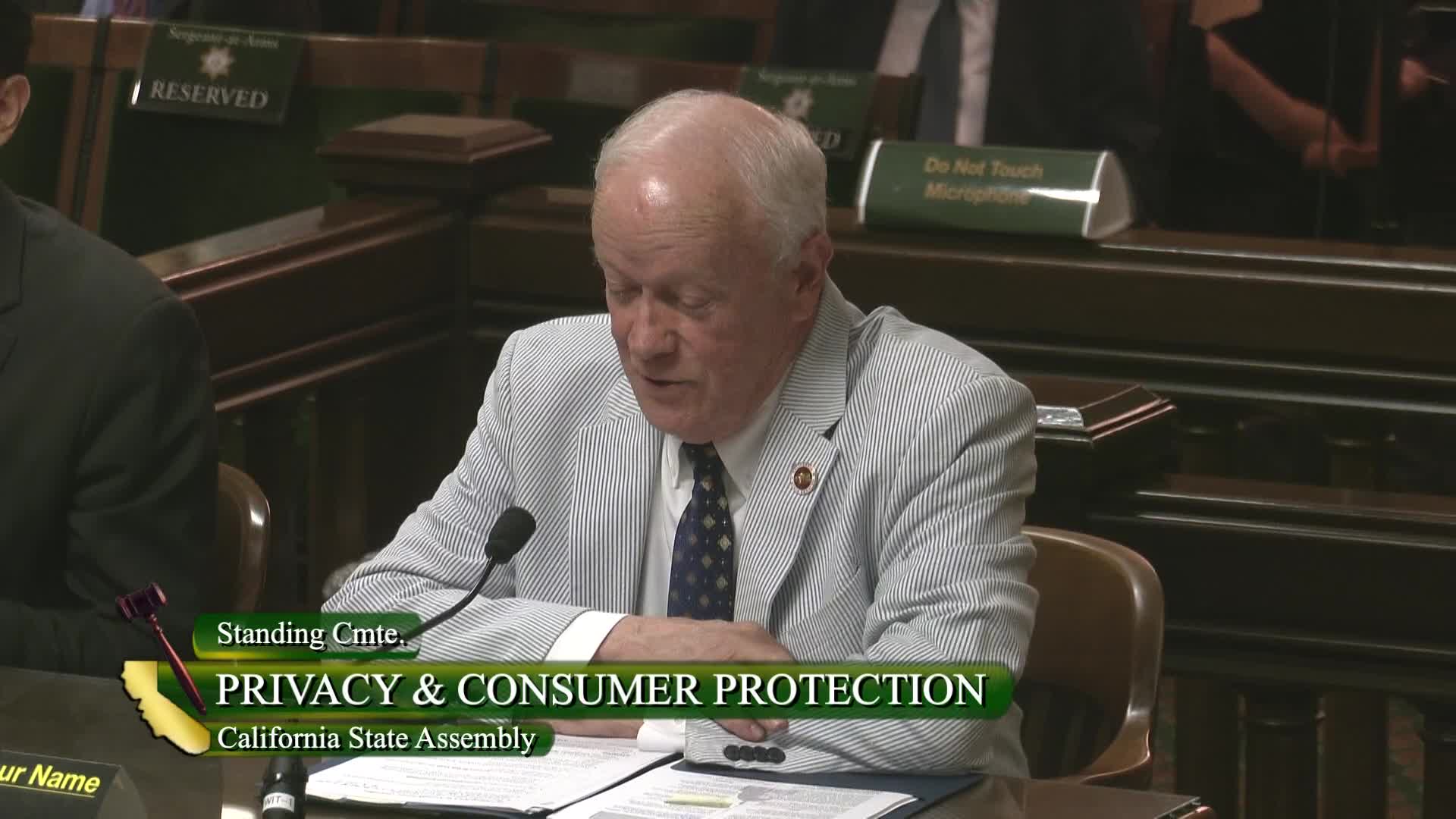
Sen. Kevin McNerney presented SB 7 to require human oversight when automated decision systems (ADS) influence employment outcomes and to prohibit ADS from being used primarily to predict future worker behavior for discipline or termination.
Supporters — prominently labor unions and worker advocates — described the bill as a worker‑protection measure that preserves human judgment for consequential employment decisions. Yvonne Fernandez of the California Federation of Labor testified that ADS can automate discipline and termination, risk replicating human bias, and unduly punish workers for predicted future behavior rather than observed conduct.
Employer and trade witnesses urged narrowing the bill’s scope. The Society for Human Resource Management, the California Chamber of Commerce and other business groups said some ADS uses are low‑risk (scheduling, task allocation) and that notifications, appeals and access rights should be tied to the consequence of the decision, not any ADS use. They also raised concerns about extending access/correction and appeal rights to independent contractors.
The committee discussed the role of a human in the loop, the meaning of “primary” reliance on ADS for discipline, and whether the bill’s appeal and access provisions would be triggered by minimal ADS use. The author said the bill is open to further drafting to prevent unintended consequences.
Outcome: Committee accepted amendments and moved the bill forward to Appropriations, with the author asking for continued stakeholder engagement. Several labor organizations remained strong proponents; some employer groups preserved their opposition unless further refinements are made.