Get Full Government Meeting Transcripts, Videos, & Alerts Forever!
Get email alerts on the Public Safety Disaster Response topic
No spam. Unsubscribe anytime.
Leander details rescue, water-utility damage and recovery after July floods
Summary
City officials described multi-agency rescues, damage to water treatment facilities and a multi-day recovery that included repairs, a body recovery search and a federal individual-assistance declaration.
Leander city officials gave a detailed account Thursday of the July 4–5 flash floods that forced evacuations, damaged water-treatment facilities and prompted multi-agency search-and-recovery operations.
Fire Chief Wusterhausen and Emergency Management Coordinator Aubrey Holmes told the City Council that first responders performed multiple water rescues, worked with county and state teams and managed sheltering and debris operations as floodwaters surged across the San Gabriel River and Sandy Creek neighborhoods.
“The picture there is over Ronald Reagan there over the San Gabriel River. ... That’s the highest I’ve ever seen it,” Fire Chief Wusterhausen said as he described swift rises in the river and canceled events, including Liberty Fest. Emergency crews assisted with multiple rescues in the early morning hours and later sustained search operations for a resident reported missing on County Road 177.
Holmes said the city’s early-morning response included activating the emergency operations center, deploying boat teams and coordinating with Texas Department of Emergency Management and neighboring jurisdictions. “To apply for [federal individual assistance], you can go to disasterassistance.gov, or you can call +1 806213362,” Holmes said, citing the application channels announced at the meeting.
City staff described widespread impacts to drinking-water operations. Sandy Creek Water Treatment Plant, the BCRUA intake and a neighboring Cedar Park plant all saw dramatic turbidity increases. Public works and plant operators reported that turbidity readings rose from around 0.2 NTU in normal conditions to “over a 100” during the event, forcing temporary shutdowns and filter work.
Public works and utility staff said plant production fell to roughly 30% of capacity early in the event, later recovered to about half capacity, and — after a multi-night repair to a ruptured raw-water line — returned to full production by midweek. Staff reported a leak that released an estimated “about 3 to 4,000,000 gallons” (reported at about 2,000 gallons a minute) that required an overnight shutdown and a larger repair operation.
The city also reported localized infrastructure effects: a reported PEC power outage that affected some 2,400 meters in Treviso; multiple low-water crossings and road closures; and debris piled at bridges and boat docks. Rescue teams recovered several people: city boat teams reported two rescues on one mission and six on another, and local and regional teams assisted with additional recoveries. Leander assisted with or coordinated volunteer cleanup operations and debris-management planning with the state incident management team.
Holmes said federal individual assistance for affected individuals was approved for the impacted areas, and public assistance for local governments was approved for Williamson County. The city plans to finalize its damage assessment and debris-management plan with the state team and to publish debris-drop locations and guidance for residents once assessments are complete.
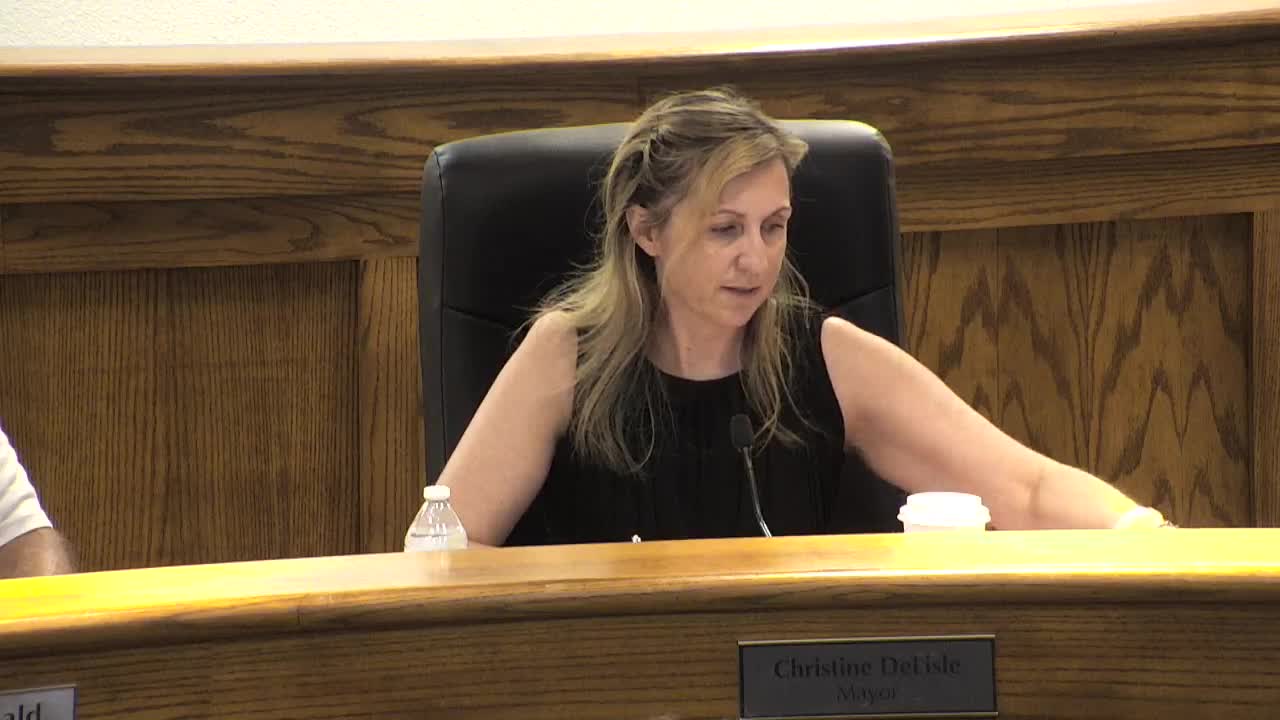
Council members and the mayor repeatedly praised first responders and staff. Mayor Christine Delisle echoed the gratitude expressed at the podium: “We have the best staff, the best first responders,” she said, thanking volunteers and faith-based groups who organized a vigil and community relief.
The council was briefed on ongoing response steps including vector monitoring (mosquito control), coordination with Travis County Health and Human Services, volunteer and debris coordination, and resources for residents. Officials emphasized the recovery will take weeks to months and encouraged residents who need help to register with relief portals such as the Austin Disaster Relief Network or CrisisCleanup.
The council did not take new action on policy items during the briefing but used the update to direct staff to continue debris planning and public communications about recovery resources.