Get Full Government Meeting Transcripts, Videos, & Alerts Forever!
Get email alerts on the Property Tax topic
No spam. Unsubscribe anytime.
Board of Equalization hears dozens of appeals; most assessor recommendations upheld or modestly adjusted
Summary
Clear Creek County’s board of equalization held a lengthy hearing July 15 on hundreds of property protests, accepted multiple assessor adjustments and clarified how assessed values are set under the statewide statutory assessment period.
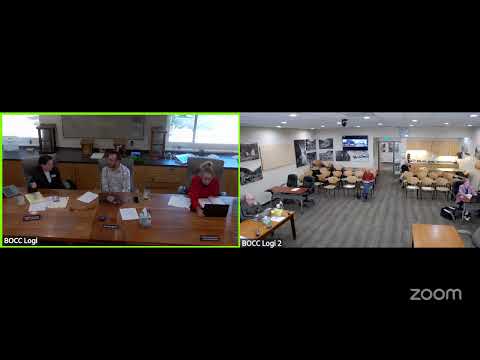
Clear Creek County’s board of equalization convened July 15 to hear dozens of property tax protests and to rule on assessor recommendations for adjustments to assessed values.
Assessor G told the board she received 764 protests and had adjusted 354 after review; she reported an assessed non‑school value and school taxable totals to the board and explained that assessment calculations rely on sales occurring in the statutory sales window — in this cycle, July 1, 2022, through June 30, 2024. She reminded the public that an increase in assessed value does not automatically produce a one‑to‑one increase in an owner’s tax bill, because assessment rates and statutory growth caps can change.
Although some appellants argued that recent arm’s‑length sales after the statutory valuation window should affect assessments, the board repeatedly pointed to the statutory sales period and the assessor’s mass‑appraisal approach. Where appellants brought location, condition or comparable‑sale evidence that persuaded the board, the county accepted targeted adjustments. For example, the Heidrick appeal (case 25‑02) was denied after the board found the assessor’s comparables and condition ratings appropriate, while other cases (including 25‑01 and 25‑06) resulted in adjustments to assessor values.
The board instructed staff and the assessor to continue outreach to property owners about the assessment process, and reminded listeners that the statutory growth cap and assessment‑rate adjustments — adopted at the state level — affect how assessed values translate into tax bills. The board also flagged the August 25 deadline for finalized values related to growth‑cap calculations.
Ending: The board concluded that while the assessments and appeals process can feel technical and opaque, it rests on statutory windows, mass‑appraisal methods and specific comparable sales; property owners with concerns are encouraged to use the appeal process and to bring sale‑specific evidence and condition documentation to hearings.