Get Full Government Meeting Transcripts, Videos, & Alerts Forever!
Get email alerts on the Student Device Policy topic
No spam. Unsubscribe anytime.
High school staff recommend bell-to-bell phone ban; board told policy must be revised for fall
Summary
High school teachers and administrators presented staff survey results and recommended a bell-to-bell ban on personal devices during the school day for 2025–26, asking the board and policy committee to adopt a district policy and consider implementation tools such as Yonder pouches.
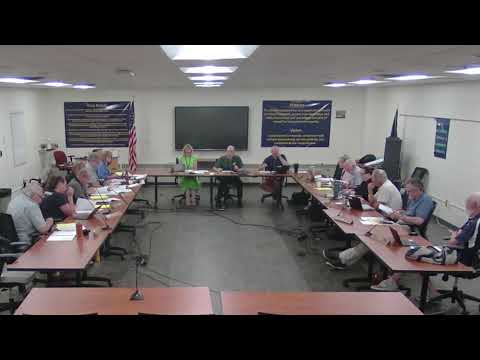
High school staff presented a proposal to the Contoocook Valley School District School Board on July 8 recommending a bell-to-bell ban on personal communication devices for the 2025–26 school year, and asked the board and policy committee to adopt supporting handbook language and an implementation plan.
Presenters said a staff survey found 100% of respondents believed cell phones harmed student attention and engagement, that 85% of responding staff struggled daily with student phone use, and that 84% said managing phone use had reduced their job satisfaction. "We started a book study and by the end, unanimously, they all agreed phones need to be removed from our schools," said Jess Madden, a high school graphic design teacher who co-presented the proposal with librarians and teachers.
The proposed rule would require students to keep phones and other personal devices stored in backpacks and off from the first bell (07:35) until the final bell (02:20). Presenters said middle schools in the district already operate on a bell-to-bell policy, which they believe will ease the transition for incoming ninth-graders. They recommended that exceptions be created for verified medical needs and Individualized Education Program (IEP) accommodations.
Presenters discussed implementation options, including a commercially available magnetic pouch system (Yonder) that locks devices for the day; the presenters said Stevens High School in Claremont uses that system and described practical entry/exit procedures. Presenters noted the pouches cost roughly $30 each and suggested the district consider phased purchasing or seeking funding to help with startup costs.
Staff recommended banning not only phones but other personal communication devices such as smartwatches and wireless earbuds; they recommended allowing teacher- or school-issued devices and Chromebooks for instruction. "We have thought about smartwatches, AirPods and earbuds and we were including those into our policy," said Ashley Mudrick, the high school librarian and technology lead.
Board members pressed on exceptions and logistics. Jim (board member) asked how the policy would handle students who rely on devices for medical monitoring; presenters said those students would be identified and given approved accommodations such as a highlighted pouch or other visible marker. The presenters did not seek immediate board action but asked the policy committee to finalize handbook language before students return; the superintendent said handbooks will be reviewed in early August.
Presenters recommended a year-long trial for the 2025–26 school year and suggested the district gather data on behavioral incidents, instructional engagement and staff satisfaction. High school staff said a bell-to-bell ban would reduce teachers' need to police device use and was broadly supported by the staff survey, which reported roughly 90% staff support for a bell-to-bell model.
The board and policy committee will take up the proposal and proposed handbook changes in advance of the fall school year; communications about the policy and community forums were discussed as part of a planned August engagement series.