Get Full Government Meeting Transcripts, Videos, & Alerts Forever!
Get email alerts on the Constables Training Liability topic
No spam. Unsubscribe anytime.
Commission discusses constable role, training and liability; decides not to pursue dissolving offices now
Summary
Cheatham County commissioners debated whether to dissolve or redefine the office of constable, focusing on training, certification, and county liability. Commissioners did not place a dissolution motion on the next agenda and asked staff to verify constables’ certifications and insurance coverage.
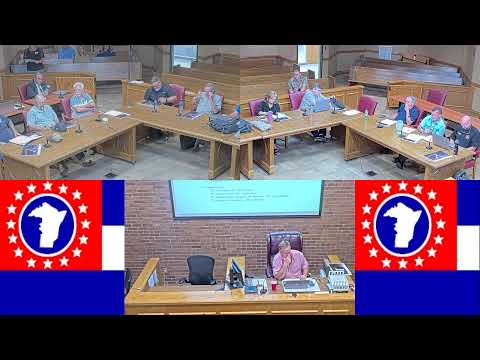
Cheatham County commissioners spent a substantial portion of their July 14 workshop discussing the role of constables in the county, whether constable duties overlap with sheriff’s deputies, and what liability the county could face from constable actions.
The discussion began when commissioners reintroduced the item at a workshop meeting. Commissioners and several speakers questioned how constables operate today, what training they must complete and whether their actions expose the county to legal risk. One participant summarized the concern: “My concern is the liability of the county has on their shoulders,” a speaker who identified himself as a former sheriff said during the discussion.
Commissioners and staff reviewed training and certification requirements discussed in the meeting: presenters said constables who are certified receive initial academy training and annual in‑service hours, that deputies typically receive a 12‑week field training program plus 12 weeks at the police academy and 40 hours of annual in‑service training, and that some constables do not attend every offered in‑service course. County staff and commissioners repeatedly asked whether constables are covered under the county’s liability insurance; county staff said they could not guarantee coverage and recommended checking with the insurance carrier.
Why it matters: constables are elected positions in Tennessee; they may serve civil process and assist law enforcement, but unless their duties and oversight are clarified the county could be exposed to litigation if a constable’s actions result in harm. Speakers noted that constables are not subordinate to the sheriff and are accountable to voters, which complicates supervisory remedies.
Outcome and next steps: after extended discussion commissioners agreed not to place a motion to dissolve constable offices on the next Monday agenda. Instead they asked staff to confirm whether all county constables have completed required certification and annual training, whether constables are bonded, and whether the county’s liability insurance covers constable actions. Commissioners asked the mayor’s office and the sheriff to be notified if training is missing so that the county can follow up. One commissioner said the county’s constable association “oversees if they've done their training,” and asked county staff to collect and report certification and insurance information to the commission before any formal action.
Ending: The meeting record shows no vote to eliminate or alter the office of constable; commissioners directed staff to verify training and insurance status and to report back before deciding whether to place a formal proposal on a future agenda.