Get Full Government Meeting Transcripts, Videos, & Alerts Forever!
Get email alerts on the Student Supports Mtss Pbis topic
No spam. Unsubscribe anytime.
Norfolk Public Schools details MTSS, PBIS and data plan to raise student achievement
Summary
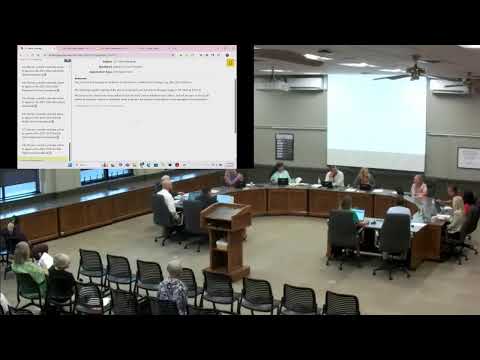
Jared Oswald, director of teaching and learning for Norfolk Public Schools, told the Board of Education that the district is pursuing two linked strategic goals: by 2026 the district will meet or exceed the state average on state student achievement assessments, and by 2027 the district will have districtwide systems of academic, behavioral and mental‑health supports in place.
Jared Oswald, director of teaching and learning for Norfolk Public Schools, told the Board of Education that the district is pursuing two linked strategic goals: by 2026 the district will meet or exceed the state average on state student achievement assessments, and by 2027 the district will have districtwide systems of academic, behavioral and mental‑health supports in place.
The presentation focused on how multi‑tiered systems of support (MTSS) for academics and Positive Behavioral Interventions and Supports (PBIS) for behavior fit together. "We are very strong in our implementation of tier 1 and tier 2 supports," Oswald said, describing a three‑tier model: universal (tier 1) instruction and supports, targeted (tier 2) interventions such as check‑in/check‑out, and a tier 3 of intensified supports that the district is still developing.
Oswald said NPS has worked with the Nebraska MTSS team under a state personnel development (SPEDIG) grant to train staff and refine systems; teams returned this summer for additional support. At the elementary level, MTSS teams meet on a six‑week cycle to identify students needing extra help. He said secondary scheduling makes the same cadence harder to maintain, so targeted work often occurs within teacher teams or when counselors are asked to coordinate supports.
On behavior supports, Oswald described check‑in/check‑out used commonly in K–8 and a more in‑depth check‑and‑connect mentoring model at the high school. He said the district will continue work this year to formalize tier‑3 protocols for students requiring intensive help.
Oswald also reviewed state assessment trends. He said Norfolk’s NCAS results have trended upward over three years in ELA, math and science, with a recent decline in math from 59% proficient to 56% proficient that the district will monitor. He said ACT results dipped in 2022–23 and showed some recovery last year; compared with peer districts Norfolk is slightly behind in several areas and is prioritizing math instruction.
Oswald described plans for communicating results to stakeholders: yearly release of NCAS and ACT scores after state embargo, typically with a district press release in October. He said staff professional development tied to MTSS and PBIS will include opportunities to attend the NEMTSS summit in Kearney.
During public comment a resident urged the district to set goals higher than the state average and questioned the district’s target‑based grade conversion chart. A board member proposed a data retreat so the board could review more of the district’s assessment data in depth; Oswald and others supported narrowing the focus to key metrics that show whether MTSS is working.
Board members asked for follow‑up on several items Oswald raised, including a clearer plan for tier‑3 interventions and additional teacher feedback after the NEMTSS summit.
The presentation concluded with board questions; Oswald said he and district leaders will return with more detailed goals and a communication plan for assessment data.