Get Full Government Meeting Transcripts, Videos, & Alerts Forever!
Get email alerts on the Housing topic
No spam. Unsubscribe anytime.
Board declines Reserve housing PILOT today but votes to enter negotiations, 6‑3
Summary
After public comment and a lengthy discussion about vacancy rates, competition and district impacts, the school board voted to deny the PILOT application for the proposed Reserve apartment project but approved an amendment expressing willingness to negotiate revised terms.
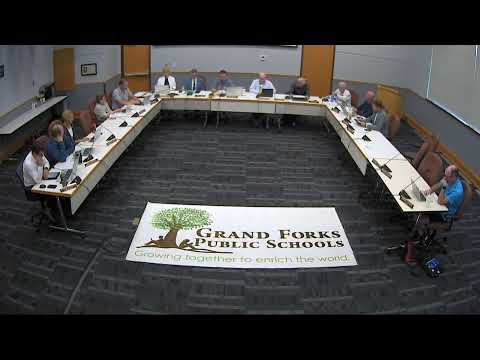
The Grand Forks School Board on July 14 voted to deny a payment‑in‑lieu‑of‑taxes (PILOT) request for the proposed Reserve apartment development but simultaneously approved a motion indicating the district is willing to enter negotiations on revised terms. The combined action passed 6–3.
Public comments and concerns: Multiple public speakers during the board’s public comment period argued against tax incentives for apartment developers. Mona Leek told the board she was "absolutely opposed to giving tax pilots to the developer" and said incentives unfairly subsidize apartment development and create competition with existing businesses. Andrew Krausnick, owner of Albatross Indoor Golf Club, and other local business owners described potential "unfair competition" if apartment amenities (for example, golf simulators) compete with local businesses and cited North Dakota Century Code 40‑57.1 in arguing the incentive could violate state limits on unfair advantage.
City and developer presentation: City Administrator Todd Phelan and staff presented the Reserve project as part of a broader housing strategy. Phelan summarized proposed project values (city assumed a land value of about $1,000,000 and an improved real estate value near $27,000,000), the proposed stepped PILOT structure (90% first five years, 80% years 6–10, 60% years 11–15, with full taxation thereafter), and estimated tax receipts to taxing entities under that structure.
Board discussion: Board members questioned the timing and process for receiving materials (some consultant material arrived late), the vacancy data the city used, and the distribution of costs and benefits across taxing entities. Several board members said they were open to negotiating different terms; others said they prefer to receive the district’s full share of taxes now rather than accept an extended PILOT.
Motion and outcome: The motion before the board — to deny the PILOT request as presented — was moved and seconded. An amendment to that motion to indicate the board’s willingness to enter into negotiations on revised terms was added and passed by roll call, and the combined action to deny while expressing willingness to negotiate passed 6 yes, 3 no.
Key numbers and clarifications (as presented to the board): the developer’s estimated improved real estate value: about $27,000,000; project total investment cited near $28–37 million by city materials; proposed stepped PILOT structure (90/80/60 over 15 years with the first 5 years at 90%); early‑years additional tax receipts to taxing entities estimated at roughly $60,000–$63,000 total for years 1–5 (school share ~$22,000–$23,000 annually in that period), growing to full taxation after year 15 (school share estimated at ~$201,000 at full taxation in city analysis). City packet additions included letters of support from Grand Forks Air Force Base and Altru and updated vacancy information added electronically.
Next steps: The board’s formal denial plus its stated willingness to negotiate means the city and developer have a path to reopen terms and present revised PILOT language and an accompanying development agreement. If negotiations proceed, the board will see revised terms and any agreement before final participation is confirmed.