Get Full Government Meeting Transcripts, Videos, & Alerts Forever!
Get email alerts on the School Survey topic
No spam. Unsubscribe anytime.
Consultant presents baseline school‑perception survey; district to get comment-theme reports
Summary
School Perceptions presented districtwide survey findings showing generally positive scores for students and staff, lower relative scores on some communication and engagement measures for parents; consultant recommended targeted next steps and promised comment-theme analysis within about a week.
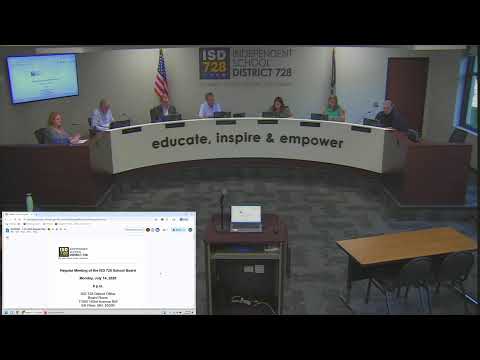
Superintendent Andy Olmos and consultant Darren Sievers of School Perceptions presented the results of a districtwide school‑perception survey during the July 14 Elk River School District Board of Education meeting. The presentation covered student, parent and staff survey results and next steps for comment analysis.
The survey included 5,796 student responses (a 59% participation rate), 2,300 parent responses (16%), and 1,295 staff responses (52%), Darren Sievers said. He characterized the results as a baseline year and said the district should use them to “protect” strong areas while targeting a small number of improvements: “This is baseline data,” Sievers said. “No district has glowing data across the board.”
Sievers walked the board through item‑level results for each respondent group. He said all four student indexes (connection to school, learning experience, school environment and feeling respected/accepted) scored above the neutral midpoint on the firm’s 1–5 scale. Safety, working in groups and parent connectedness ranked among students’ highest items; students reported lower relative percentile ranks on classroom interactivity measures (for example, how often teachers call on students and device access). Sievers noted item‑level concerns should be weighed against raw scores and comparison percentiles from similar large districts.
On the parent report, Sievers highlighted that parents prioritized life skills and career and technical education among items they would like the district to grow. He also said district‑level communication scored lower on a district‑wide communication question than school‑level communication, and that email remains the dominant parent preference for routine district messages.
On the staff survey, Sievers said he was “really impressed” with staff data for a district of the district’s size, noting staff generally reported they feel supported, are confident in student connections and report strong instructional practice. He flagged pay and workload as typical bottom‑ranked items nationwide but did not identify immediate crisis levels in this district’s responses.
Board members asked about response rates, how comparison districts are selected, and how comments will be analyzed. Sievers said the firm will produce comment‑theme reports that cluster recurring themes and separate one‑off narratives; he estimated initial comment‑theme drafts would be ready within about a week and said he would provide raw data as requested. Superintendent Olmos confirmed administration will distribute the reports to the board and use them in planning for the board retreat.
The presentation followed a superintendent’s update that a separate population projection study (Dr. Hazel Reinhart, draft report) will inform facilities planning; Sievers emphasized the survey is one input for planning and recommended selecting a small number of digestible improvement targets rather than attempting broad simultaneous changes.
Board members thanked Sievers and administration; Sievers said he will remain available for follow‑up and potential future presentations to help interpret the comment themes and plan targeted initiatives.