Get Full Government Meeting Transcripts, Videos, & Alerts Forever!
Get email alerts on the Transportation Tiered Routing topic
No spam. Unsubscribe anytime.
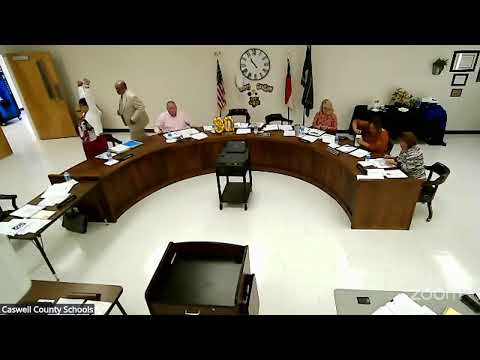
Caswell County Schools moves ahead with tiered bus routing; board gives planning consensus for larger schedule changes
Summary
District transportation staff presented a tiered routing proposal to shorten student bus rides, reduce costs and ease driver shortages. The board gave consensus to run limited tiered routes in 2025–26 and directed staff to plan staggered start-time options for 2026–27.
Caswell County Schools presented a tiered routing proposal intended to reduce long morning rides, ease driver shortages and improve operational efficiency, and the school board signaled its consensus to move forward with planning.
The transportation presentation described a two-tier model in which a single bus would perform two runs: first an elementary run (Tier 1) and then a combined middle/high school run (Tier 2), enabled by staggered bell times. The presentation said the model would reduce early pickup times for rural students, make better use of existing buses and drivers, and cut fuel and maintenance costs.
“This model is both unsustainable and is detrimental to everyone that’s involved,” the Caswell transportation presenter said, summarizing the district’s current situation of drivers and students being routed very early. The presenter and Dr. Matt Tedder, transportation director for Stokes County Schools, described results Stokes County achieved after adopting tiered routing and later start times for secondary students.
Board members pressed for detail on how the system would affect individual households and on timelines. Transportation staff said the district intends to run limited tiered routes in 2025–26 using the current bell times (with students possibly asked to be on site earlier than current arrival windows) and to develop proposals this year for more substantive staggered start-time changes in 2026–27. Staff asked the board for a planning consensus so work could begin now; the board indicated general agreement rather than taking a formal roll-call vote.
Supporters pointed to potential cost savings and reduced driver burnout. Dr. Tedder described Stokes County’s experience, noting increased bus ridership and improved transportation efficiency after changes. Board members raised concerns about supervision for students who would arrive earlier or wait between tiers, impacts on families who rely on existing start times, and whether middle-school students could be left waiting without before/after-school care. Staff said those issues would be handled case by case and would be part of the planning work.
Staff said the immediate 2025–26 rollout would be limited in scope (a few tiered runs planned for the coming year) and that any extensive changes to bell schedules would be developed and returned to the board for approval before implementation.
The board requested further information on proposed bell-time scenarios, route maps, and an analysis of which runs would be tiered versus dedicated, and asked transportation to return with detailed plans and community communication materials before larger changes are adopted.
Ending
District staff emphasized that the proposal is intended to increase safety, reduce long rides for rural students and generate operational savings; board members asked staff to bring concrete schedules, sample timetables and community outreach plans during the coming months so the board can consider any formal change to start times for 2026–27.