Get Full Government Meeting Transcripts, Videos, & Alerts Forever!
Get email alerts on the Gaza Humanitarian Access topic
No spam. Unsubscribe anytime.
UN: Fuel shortfalls and access denials imperil aid and hospitals across Gaza
Summary
The United Nations warned that limited fuel deliveries and denials of humanitarian movements are causing hospitals, ambulances and water systems in Gaza to risk collapse, and called for immediate lifting of restrictions and unimpeded, safe access.
The United Nations said on Thursday that chronic fuel shortages and repeated denials of humanitarian movements are putting life-saving operations in Gaza at risk, with hospitals and ambulances running low and civilians killed while trying to reach food aid.
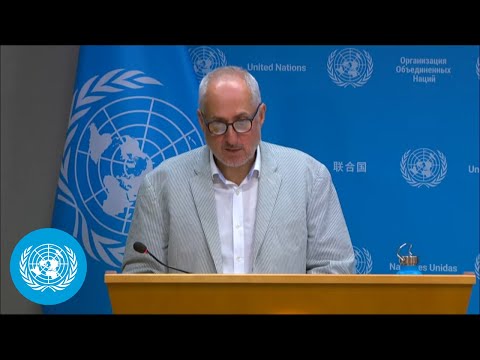
Spokesperson Steph, reading statements from U.N. offices, said that for a second consecutive day humanitarian teams were able to bring about 75,000 liters of fuel into Gaza but that amount “is a small portion of what is required to sustain life-saving operations on a daily basis.” The U.N. said fuel deliveries to northern Gaza were blocked by Israeli authorities even as teams were able to supply some hospitals in the south.
The U.N. Office for the Coordination of Humanitarian Affairs (OCHA) reported that, of 15 humanitarian movements coordinated with Israeli authorities the previous day, five were denied outright, four were initially approved then impeded on the ground, and only six were fully facilitated. The U.N. said denied or delayed missions included evacuations of vulnerable people, retrieval of vehicles and spare parts, and assessments of medical equipment.
“These denials are life threatening,” the spokesperson said, and stressed that if current limits on movement and supplies are not lifted, “more services will go dark.” The U.N. also urged “unimpeded safe access inside Gaza.”
The U.N. human rights office provided updated figures the spokesperson said, reporting 819 Palestinians reportedly killed while trying to reach food between May 27 and July 10; 634 of those deaths occurred near Gaza Humanitarian Foundation distribution points and 185 near other humanitarian convoys, including some run by U.N. partners. The U.N. said the data is based on medical, human rights and humanitarian sources and called for independent investigations into the killings.
The U.N. highlighted additional protection concerns: aid workers and personnel from the International Committee of the Red Cross and Red Crescent societies were shot at and injured while attempting to assist colleagues; some coordinated movements were struck by nearby strikes; and stocks of shelter material have been blocked from entry for more than 130 days, preventing tent distributions.
The U.N. called for increased volumes of fuel and timely facilitation of humanitarian movements, and said it remains in touch with member states and other actors who can influence humanitarian access and delivery in Gaza.