Get Full Government Meeting Transcripts, Videos, & Alerts Forever!
Get email alerts on the Energy And Environment topic
No spam. Unsubscribe anytime.
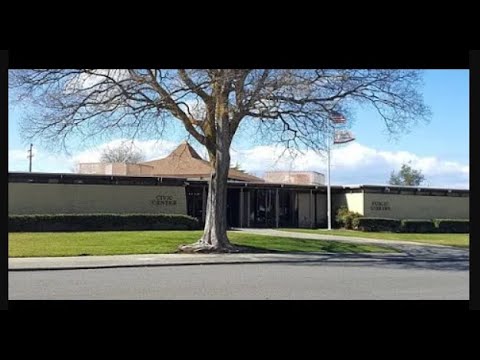
Willows council hears PACE financing presentation; asks staff to explore local participation
Summary
Representatives from Home Run Financing described residential PACE financing to the Willows City Council on July 8; council members asked technical questions and directed staff to research how the city could opt into the statewide PACE program for homeowners.
Representatives of Home Run Financing presented the Property Assessed Clean Energy (PACE) residential financing program to the Willows City Council on July 8 and the council directed staff to research next steps to make the program available to local homeowners.
Gabe Holbert of Home Run Financing described PACE as a privately financed option that allows property owners to fund energy, water and resilience improvements and repay the cost through a special property tax assessment. Holbert said PACE was created in California to expand access to energy upgrades and noted protections adopted over time, including recorded terms-confirmation calls, a right to cancel, contractor vetting and training, and underwriting that considers property equity and ability to repay.
Holbert told the council that PACE assessments are repaid through property tax bills, have no prepayment penalties and have financing terms tied to the useful life of the improvement (for example, up to 30 years for a roof). He said Home Run’s average rate “is 9.49%” but added that exact pricing depends on underwriting and the improvement.
Council members asked multiple implementation questions, including whether PACE liens appear on title reports, how transfers work when a home sells, whether a buyer can assume an assessment, and how defaults interact with mortgage liens and local government liens for abatement. Holbert replied that title companies commonly identify PACE liens on report searches; that PACE liens are transferable in principle but are often paid off at sale in practice; and that the company works with homeowners on disclosures and loan closing calls. Holbert also said the program is regulated by California's Department of Financial Protection and Innovation and referenced AB 1284 (cited in the presentation as "AB 12 84") as a significant legislative package that expanded underwriting standards and created DFPI oversight.
Holbert said Willows already has a resident who attempted to access PACE financing but was ineligible because Willows had not yet joined the California Statewide Communities Development Agency (CSCDA) Open PACE program; he explained that because Willows is already a CSCDA member (since 2003), the city would only need to adopt a resolution joining the CSCDA Open PACE program to make PACE available. City Manager Marty Brown confirmed staff can investigate and bring a resolution back to council if desired.
Council members asked additional questions about default rates, whether there are prepayment penalties (Holbert said there are none), and how PACE interacts with escrowed property tax payments. Several council members said the option could particularly help homeowners who cannot obtain traditional financing.
Ending: The council gave direction to staff to pursue additional information, confirm legal and fiscal implications and, if appropriate, return with a resolution to opt into CSCDA's Open PACE program for Willows homeowners.