Get Full Government Meeting Transcripts, Videos, & Alerts Forever!
Get email alerts on the Un Rights Architecture topic
No spam. Unsubscribe anytime.
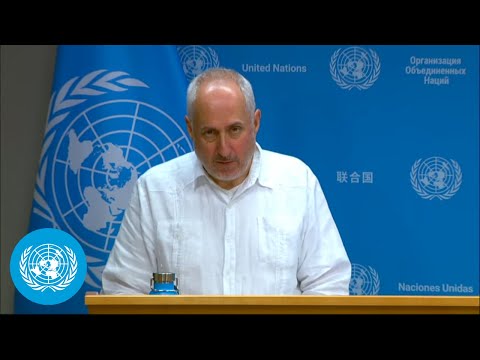
U.N. spokesperson calls U.S. sanctions on special rapporteur a 'dangerous precedent'
Summary
The U.N. said unilateral sanctions on special rapporteurs undermine the independent human rights architecture; the spokesperson urged member states to engage diplomatically and emphasized that special rapporteurs report to the Human Rights Council, not the secretary-general.
The United Nations spokesperson said targeted unilateral sanctions on special rapporteurs set a “dangerous precedent” and urged member states to engage with the U.N. human rights architecture rather than imposing measures that could undermine it.
“The imposition of sanctions on special rapporteurs is a dangerous precedent,” the U.N. spokesperson said. The briefing emphasized that special rapporteurs are independent human rights experts appointed by the U.N. Human Rights Council and that they report to the Human Rights Council, not to the secretary-general.
When asked specifically about sanctions imposed by the United States on Francesca Albanese, the spokesperson said member states “are perfectly entitled to their views and to disagree with reports by special rapporteurs, but we encourage them to engage with the U.N.'s human rights architecture.” The spokesperson added that the use of unilateral sanctions against special rapporteurs or other U.N. experts or officials is “unacceptable.”
Reporters pressed the U.N. on whether the secretary-general personally supports Albanese and whether he had sent any communication about the sanctions. The spokesperson said the secretary-general “respects the work of all U.N. human rights rapporteurs” and that targeted unilateral sanctions against U.N. officials are unacceptable. On whether a communication had been sent, the spokesperson said the office was “in the process of answering a letter” from an ambassador.
Journalists asked whether the sanctions and criticism of Albanese affect the U.N.'s reputation. The spokesperson reiterated the institutional distinction between independent mandate-holders and the secretariat, adding that “the SG has the authority or the non authority that he has is given to him by the charter” and asked journalists to help the public understand which parts of the U.N. are being criticized.
The spokesperson also noted that many special rapporteurs face access restrictions from member states and encouraged diplomatic engagement and use of Human Rights Council mechanisms rather than unilateral punitive measures.