Lifetime Citizen Portal Access — AI Briefings, Alerts & Unlimited Follows
Board upholds CPAC appeal, blocks proposed Marion Drive cell tower near Carmichael homes
Loading...
Summary
After a lengthy public hearing and more than a dozen neighbors speaking, the Board of Supervisors voted to uphold a community advisory council appeal and deny a proposed AT&T monopine on Marion Drive, citing proximity to residences and community objections.
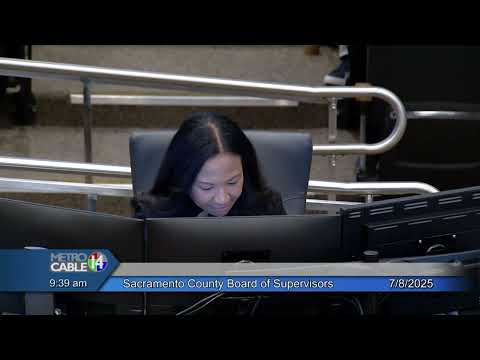
The Sacramento County Board of Supervisors on July 8, 2025, voted to uphold an appeal from the Carmichael Old Foothill Farms Community Planning Advisory Council (CPAC) and deny a planning commission approval for a proposed wireless communications facility at 5204 Marion Drive. The project would have placed a 74‑foot “monopine” and associated equipment and access drive on a vacant lot near single‑family homes and an apartment complex.
The hearing drew extensive public comment from homeowners and nearby residents who urged the board to deny the project. Neighbors raised concerns about visual impacts, a proposed 20‑foot service driveway, proximity to multi‑family housing and single‑family yards, potential noise from a backup generator, and worries about property values and long‑term health effects. Dozens of residents signed up and spoke; CPAC had recommended denial at its January meeting.
Applicant AT&T and its agent presented engineering coverage maps and an alternatives analysis, and said the site was needed to close a demonstrable coverage gap. AT&T’s consultant also said the company would accept a lower tower height (55 feet) but that some deviation from zoning distances would still be needed. Staff reviewed the application, concluded the project complied with the general plan and environmental review (a mitigated negative declaration), and recommended upholding the planning commission’s approval.
Board deliberations focused on how the proposed facility fit county height and separation standards and whether approving a deviation would set a precedent. Multiple supervisors noted they are constrained by federal rules on health determinations and by existing county code, and that exceptions to code should be rare. After discussion, the board voted to uphold the CPAC appeal and deny the project.
Why it matters: The decision underscores the tension between residents’ objections to new wireless structures in residential neighborhoods and carriers’ efforts to expand coverage. The board’s ruling emphasizes local development standards and community input in siting decisions, even as wireless companies press to fill coverage gaps.
Next steps: The applicant may look for alternative locations identified in its analysis or pursue other technical solutions. Neighbors said they welcomed the board’s decision and emphasized continued vigilance on future proposals.
Ending: The board’s denial preserves the Marion Drive neighborhood’s current character and signals that siting wireless facilities close to homes will face vigorous local scrutiny.