Get Full Government Meeting Transcripts, Videos, & Alerts Forever!
Get email alerts on the Housing topic
No spam. Unsubscribe anytime.
Sullivan County committee backs moving $2 million rental-rehab plan to executive for detailed review
Summary
County planning staff presented two options for spending a $2 million housing appropriation; committee members favored prioritizing a rental-rehabilitation program and referred the proposal to the legislature's executive session for further drafting and committee appointment.
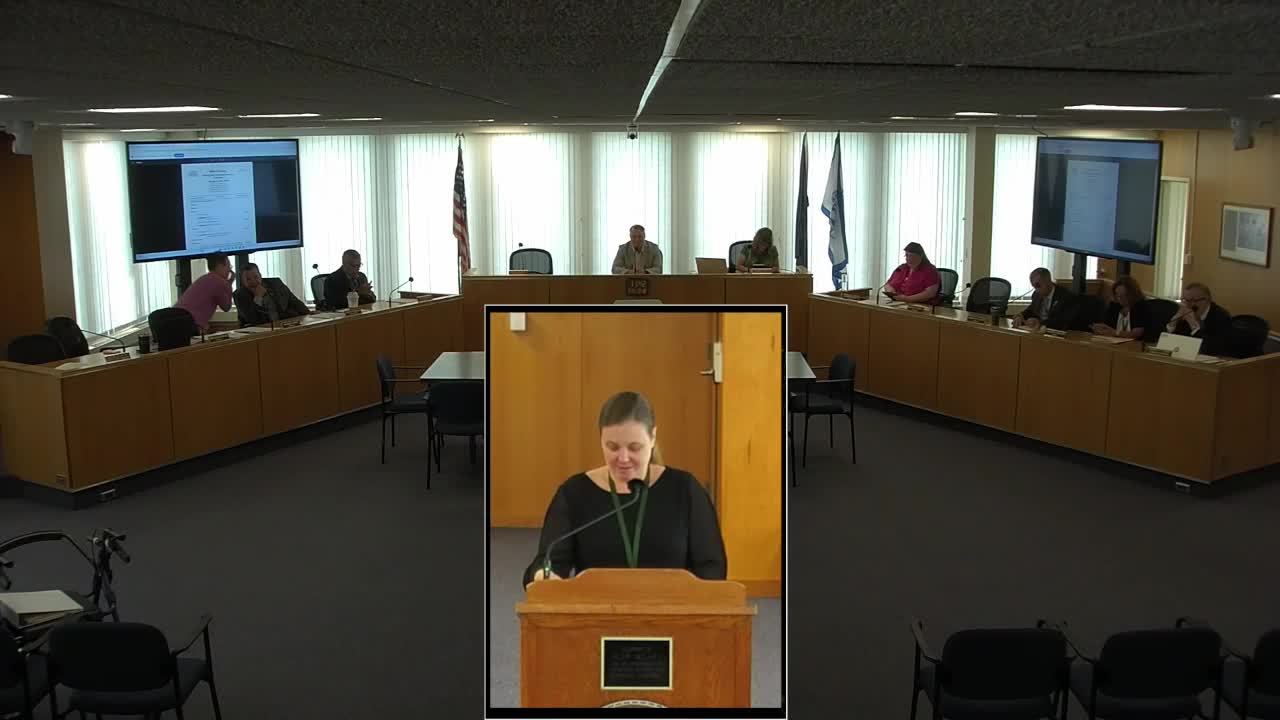
SULLIVAN COUNTY, N.Y. — At a July meeting of a Sullivan County Legislature committee, county planning staff presented two proposed programs for $2 million set aside in the 2024 county budget to address housing needs and the committee voted to refer a rental-rehabilitation program to the legislature's executive session for more detailed review and drafting.
Heather, county planning staff, told the committee the money was appropriated in the 2024 county budget and is currently in a dedicated fund. "We have $2,000,000 sitting in the fund right now that is dedicated to this purpose," she said, and she described two program outlines in the packet: one to fund rehabilitation of existing rental units and another to support new rental construction. Heather said the rehabilitation option would yield more immediate results and recommended moving that program forward first.
The recommendation followed broad discussion among legislators about the scope, cost and administration of any program. "You don't get much today with $2,000,000," said Legislator Matt McPhillips, who also noted his experience building homes. Several legislators raised implementation issues: whether the county should treat the appropriation as a one-off program or create a housing trust with a recurring funding source; how the county would administer loans or grants, place liens and perform title searches; and how to avoid unintentionally rewarding negligent owners. "Nobody's gonna do it for nothing," one legislator said in reference to the administrative work involved.
Committee members and staff discussed program criteria included in the packet. The draft rental-rehabilitation plan would target landlords of existing rental units and require projects to address health, safety and code issues, accessibility and energy-efficiency upgrades rather than cosmetic work. The packet defines affordable rents for the rental program as households at or below 80% of area median income paying no more than 30% of gross annual income; the new-construction program would require deeper affordability (lower income thresholds) in exchange for larger county investment.
Staff said the rehabilitation program aims to slow the loss of rental units to dilapidation and prevent displacement. Heather also pointed to secondary county costs tied to housing conditions, including shelter and foster-care impacts, and said improvements could produce ripple benefits in other county services.
Legislators pressed on safeguards. County planning staff said application criteria require "good standing with local code enforcement" and include affordability and monitoring provisions. "They're not getting money to improve their rentals and then reaping the benefit through rent," Heather said, describing proposed covenants and monitoring that would require participating landlords to keep rents at defined affordable levels for a stated period.
Public commenters urged action. In public comment, one resident said rehabilitation should be the priority because many existing units are deteriorating; another resident offered to provide a personal account to legislators to illustrate the local housing need.
Following discussion, the committee agreed to send the rental-rehabilitation proposal to the July executive session for further drafting and to assemble a selection committee to review applications if the program is adopted. Heather recommended a small, odd-numbered selection panel that includes construction and finance professionals, nonprofit representatives, and county staff. The committee also agreed to solicit additional data (including counts of condemned rental units and an updated housing inventory) before the executive meeting.
The meeting also disposed of routine business by approving multiple resolutions in consent blocks and adjourning. Motions to move resolution blocks were recorded and passed by voice vote.
The committee did not adopt final program rules or a permanent funding mechanism at the meeting. Legislators said further work is needed on legal instruments, monitoring and staffing, and several said they favored beginning with rehabilitation to get quicker results and then reassessing whether to establish a replenishing housing trust.