Lifetime Citizen Portal Access — AI Briefings, Alerts & Unlimited Follows
U.N. says Gaza faces critical medical, fuel and water shortages; urges safe, principled aid delivery
Loading...
Summary
U.N. spokesperson warned hospitals and water systems in the Gaza Strip are under severe strain because of fuel and supply shortages and limited humanitarian access; the U.N. criticized certain distributions that put civilians at risk while stopping short of calling for dismantling the Gaza Humanitarian Fund.
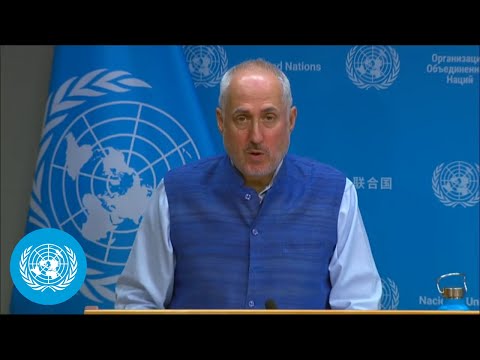
U.N. spokesperson Steph said hospitals and other lifesaving services in the Gaza Strip are operating under “very low” fuel reserves and face critical shortages of medicine, blood products and medical supplies, while water production and waste collection have fallen to dangerously low levels.
The spokesperson said “11 trucks carrying medical supplies entered the Gaza Strip” this week but that such deliveries “meet just a fraction of what is needed.” She told reporters that the generator at the Al Nasser medical complex was “about to shut down,” placing patients on ventilators at risk. She also said 10 water wells had already stopped operating because of fuel shortages and another 25 wells were functioning only partially.
Why it matters: shrinking fuel and supply stocks are reducing hospital capacity, limiting clean water and sanitation, and increasing public-health risks, particularly for children, older people and pregnant women. The U.N. said hygiene items had not entered Gaza since early March and described repeated difficulties coordinating movements with Israeli authorities: of 10 coordination attempts, only three were fully facilitated, three were denied and four were canceled.
The spokesperson criticized some modes of aid distribution that she said put civilians at risk and repeatedly contrasted those practices with the humanitarian principles adopted by U.N. bodies. “A food distribution system where people routinely get killed while trying to get the food is not a humanitarian operation,” she said, adding that the U.N. “will not work with people who do not meet those standards.” At the same time, she said the U.N. would cooperate with any group that operates according to those principles.
The U.N. cited the Gaza Ministry of Health’s figures that more than 1,500 medical staff have reportedly been killed in Gaza since October 2023. The spokesperson and U.N. partners pressed for the opening of all crossings, corridors and routes to allow consistent large-scale aid deliveries and for increased fuel deliveries to sustain medical operations and water pumping.
The briefing included repeated appeals for unimpeded humanitarian access and for larger, sustained deliveries of fuel, medical supplies and hygiene materials. The U.N. said partners on the ground continue to provide services where possible but that shortages of supplies and fuel are critically undermining life-saving operations.
Outlook: U.N. staff said they were seeking further updates on fuel deliveries and would provide information as it becomes available.