Get Full Government Meeting Transcripts, Videos, & Alerts Forever!
Get email alerts on the Budget topic
No spam. Unsubscribe anytime.
Bristol council adopts $154.6 million budget, approves $1.87 tax rate after public outcry
Summary
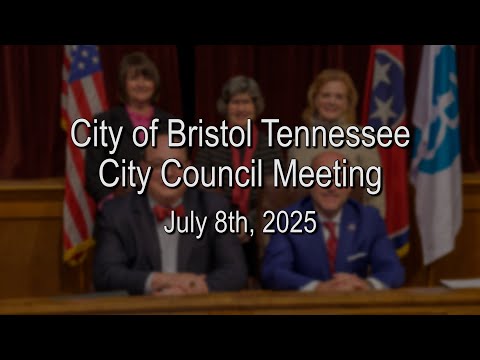
The Bristol, Tennessee City Council on July 8 adopted the fiscal 2026 budget totaling $154,595,455 and a property tax rate of $1.87 per $100 of assessed value after public comment and a split vote by one member.
The Bristol, Tennessee City Council adopted the city's fiscal year 2026 budget and set the property tax rate at $1.87 per $100 of assessed value on July 8 after a second-reading vote on ordinance 25-15.
Finance Director Holly Barron told council the proposed budget totals $154,595,455 for all funds and incorporates a $1.87 tax rate. Barron said the municipal government funds total $95,160,179 (an increase of 4.3% over FY25) and school system funds total $59,435,276 (an increase of 2.5%). The plan includes pay increases recommended by department analyses'a 4.7% increase for police and fire on top of other department adjustments'and anticipates using about $1 million from the general fund balance in FY26.
The public comment period preceding the vote drew two dozen speakers who urged caution on the tax increase, questioned city capital projects and purchases, and asked for clearer budget transparency. Steve Dahl, a resident, urged the council to "do the right thing" and asked for an audit and clearer project maintenance costs. Several speakers raised the L.C. King building purchase and a proposed baseball-field renovation as examples of projects they said required more detail. Others, including Jane Nichols, argued they would accept an increase if it funds public safety and youth services.
Council members described the multimonth process used to build the budget. In remarks to the chamber, Mayor Hutton said staff and council met multiple times since January and described several projects as public-private opportunities intended to reduce taxpayer burden. Hutton cited the city's park and recreation developments and donations such as Katy's Playground as examples of outside funding paired with city management.
Council discussion at the meeting reflected the competing priorities voiced by speakers. Some members urged using fund balance in the short term; others stressed the need to fund employee pay adjustments, particularly for police and fire, and to preserve momentum on capital projects that have outside partners attached.
On the second reading, the ordinance passed on a 4-1 roll call. Vice Mayor Turner voted no; Councilwoman Feyerabend voted yes; Mayor Hutton, Councilwoman Powers and Councilwoman Acard voted yes.
The budget ordinance includes line-item reductions such as delaying capital purchases, not filling certain open positions, and pushing some projects to later years. Barron said examples of postponed items included a grant specialist position, an IT help-desk position, some part-time park-and-recreation roles, and certain capital equipment purchases.
Council members and staff said the city will continue to provide additional documentation and hold work sessions during the next budget cycle so residents can review assumptions and proposed projects earlier in the process.
Looking ahead, council members said follow-up work sessions and public information will continue as the projects move into design and procurement phases. The tax rate ordinance becomes the city's adopted rate for fiscal year 2026.