Get Full Government Meeting Transcripts, Videos, & Alerts Forever!
Get email alerts on the Solid Waste Recycling topic
No spam. Unsubscribe anytime.
Commission approves seven public recycling containers, state grant to cover 30%
Summary
The Huron City Commission authorized purchase of seven public drop-off recycling containers at a total cost of $75,435; a state grant will cover 30% of the project. Staff described a new kiosk system that will use driver’s-license barcodes for resident free access and a small fee for nonresidents.
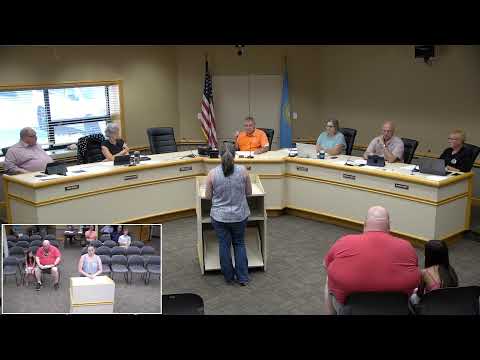
The Huron City Commission on July 7 authorized purchase of seven public drop-off recycling containers at a total cost of $75,435, with a state grant covering 30% of the project cost.
The vote clears city procurement tied to a 2024-approved solid waste budget and authorizes staff to move forward with installation and the related kiosk and scale upgrades. Commissioner Cooth and Solid Waste Superintendent Dale Forten described how the program will consolidate existing single-stream drop boxes into staffed community drop-off sites and add a cardboard-only container.
“This way, people living in town will be able to drop their materials off free of charge. If you live outside of town, you can come in and you can use that, but you’re gonna pay the minimum fee,” Dale Forten said. Forten said the project includes a kiosk so drivers will scan the barcode on the back of their driver’s license to confirm local addresses and permit free access for city residents; nonresidents would be charged a minimum convenience fee.
Officials said the kiosk will integrate with a new scale and that the program will allow after-hours access in some circumstances, while cameras and the driver-license scan will help identify users who deposit contaminated loads. The commission and staff also discussed public education plans, including a chamber chat and a newsletter article to explain the new procedures to residents.
The commission approved the purchase after discussion; a roll-call vote recorded five ayes.
Implementation details remaining include kiosk arrival and installation timing, exact after-hours procedures, and how accounts will be managed for commercial users. Forten said the kiosk and scale work should be active within weeks after arrival and stressed staff will do outreach so residents are not discouraged from using the facility.