Get Full Government Meeting Transcripts, Videos, & Alerts Forever!
Get email alerts on the Startup Funding Timing topic
No spam. Unsubscribe anytime.
Houston founders advised to wait for 'hockey-stick' growth before seeking major VC funding
Summary
Investors on a SCORE Houston podcast advised founders that angel investors commonly fund very early stages while venture capital is most appropriate once there is clear, rapid growth potential. Panelists outlined what angels look for, suggested preparation for initial meetings and gave typical investment-size ranges.
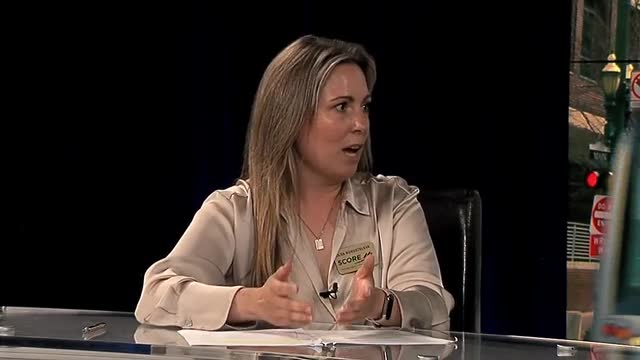
On a SCORE Houston and Houston TV podcast episode about commercializing innovation, venture advisor Jan Odegaard and angel investor Firoz Javer outlined how founders should time fundraising and what early-stage investors typically evaluate.
Odegaard, founder and chief executive of 62x ventures, said significant venture-capital funding is most appropriate when a company has “line of sight in hockey stick growth.” He added, “If you take it much earlier than that, you're risking giving away most of your company.”
The distinction between angels and venture capitalists, the panelists said, centers on timing, check size and investor structure. Firoz Javer, a board member of the Houston Angel Network, described angel investors as individuals — executives, retirees and professionals — “investing their own money into startups, early stage in return for equity.” He contrasted that with venture-capital firms, which raise funds from outside limited partners and typically deploy larger checks at later stages.
Why it matters: founder equity and the company’s long-term control are affected by when and from whom a startup accepts capital. Odegaard urged founders to form a clear, concise narrative that answers three questions investors will ask: what the company does, why people should care and how it makes money.
Practical takeaways from the panel
- What angels look for: Javer said angels seek founding teams with domain expertise, coachability and “grit.” He described investment sizes as ranging broadly “from $5,000 per angel to hundreds of thousands.”
- What VCs look for: Odegaard said venture funds evaluate the same basic elements but place greater emphasis on scalable, repeatable growth and the ability of a founder to “deliver on that” as numbers become larger.
- Pitch preparation: Javer advised founders to present a high-level, compelling message that opens the door to follow-up meetings rather than overwhelming investors with details. Odegaard added that an overemphasis on exits can be a red flag: “It could be a red flag that they're not really committed to their idea.”
The conversation emphasized that early capital sources (friends and family, pre-seed angels) remain appropriate before a company demonstrates the rapid growth venture firms typically seek. SCORE Houston and similar mentorship organizations were presented as resources to prepare pitch materials and connect founders to investors.
Speakers credited in this report spoke during the recorded podcast episode; their remarks are quoted verbatim where noted.