Get Full Government Meeting Transcripts, Videos, & Alerts Forever!
Get email alerts on the County Operations Fleet topic
No spam. Unsubscribe anytime.
Board directs staff to pursue revised fleet procurement and managed fleet partner to improve vehicle replacement and costs
Summary
County staff outlined a plan to change fleet replacement methodology and pursue a managed fleet services partner; the board gave direction to proceed with staff recommendations to review rates, consider residual value and evaluate vendor models that preserve county purchasing flexibilities.
Madera County staff presented an overview of fleet services on July 1 and secured board direction to pursue a revised vehicle acquisition, leasing and liquidation strategy, including evaluating managed fleet-service providers.
Joel Begay of the County Administrative Office told supervisors the county manages roughly 440 active vehicles (excluding heavy equipment), with an average vehicle age of about 6.5 years and wide mileage variance by vehicle type. Begay said the county's fleet internal service fund is primarily mileage-based for rate-setting, which can undercollect for vehicle replacement when low-mileage vehicles remain in service for many years. Staff recommended shifting the replacement methodology away from 100% mileage-based formulas toward an approach that better aligns replacement charges with depreciation and maintenance costs.
Staff proposed evaluating managed fleet services providers that continuously monitor vehicle-market residual values and can advise optimal replacement timing. Begay noted county preference for American brands but recommended allowing other makes where final assembly points and resale value support better residuals, which could reduce total lifecycle costs. He said current challenges trace back to rate freezes during the Great Recession and to departments that buy vehicles outright using grant funds and thus do not contribute to a centralized depreciation reserve.
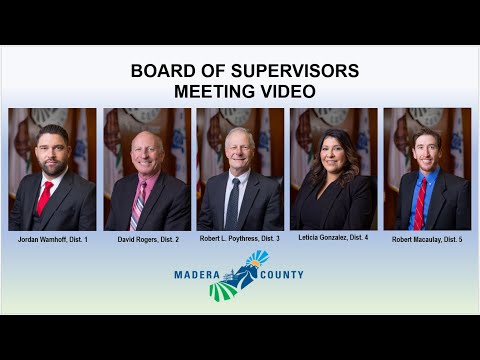
Board members expressed support for the concept, noting potential savings from higher-residual vehicles (for example Toyota models that hold resale value) and advantages from more frequent, warranty-protected turnover. Staff said one evaluation criterion will be whether a managed-provider model can preserve county ownership and access to state contract purchasing where desirable.
The board moved to approve staff recommendations and gave direction for staff to return with a recommended managed-fleet agreement and implementation plan. The record shows the board conveyed agreement and direction to proceed; staff said they will contact several providers, including Enterprise (which currently leases to the county under other arrangements), and return with a detailed recommendation.