Get Full Government Meeting Transcripts, Videos, & Alerts Forever!
Get email alerts on the Traffic Safety topic
No spam. Unsubscribe anytime.
Residents press Lamar officials to address speeding on Plymouth Street and railroad maintenance
Summary
A resident said Plymouth Street traffic is dangerous; council and staff said the road is a state highway and railroad maintenance issues are outside city control but the city has tried to engage.
At the July 1 Lamar City Council meeting, residents pressed city officials to do more about speeding and maintenance on Plymouth Street and raised broader complaints about railroad right-of-way upkeep.
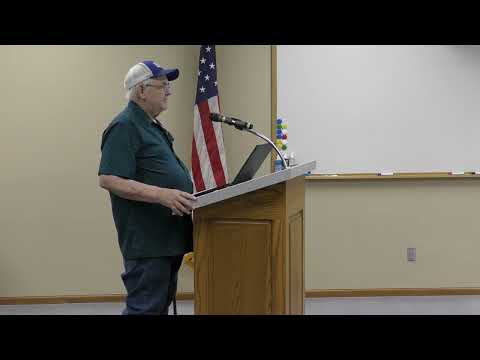
Tom Mulally of 27 Second Avenue Southeast said he has sought traffic calming on Plymouth Street for about 4½ years and has made multiple calls with no lasting change. “I've been trying to get the traffic slowed down on Plymouth for 4 and a half years, approximately 8 phone calls,” Mulally said.
City staff and council members told Mulally the city has limited authority over Plymouth because it is a state highway. One councilmember said, “We have 0 say. That's a state highway.” Staff noted they have performed speed surveys and have officers running radar and suggested continued enforcement and patrols as practical steps.
Mulally also raised maintenance concerns about the railroad, saying rock piles and mowing problems persist; city staff said the city street department has contacted the railroad multiple times about weeds and other issues but cannot compel action. “We have multiple times about multiple issues including but not limited to weeds. And you can't make them do something,” a councilmember said.
Why it matters: Residents described a long-running safety concern and asked for clarity on which agency can act. City leaders reiterated the limits of municipal authority over state highways and railroad property while noting enforcement and liaison efforts.
Ending: Councilmembers encouraged continued reporting and said police patrols and speed enforcement had been used; staff agreed to keep pursuing liaison channels with the railroad where possible.