Get Full Government Meeting Transcripts, Videos, & Alerts Forever!
Get email alerts on the Criminal Procedure topic
No spam. Unsubscribe anytime.
Senate panel hears AB 237 to broaden threat statute covering sensitive places
Summary
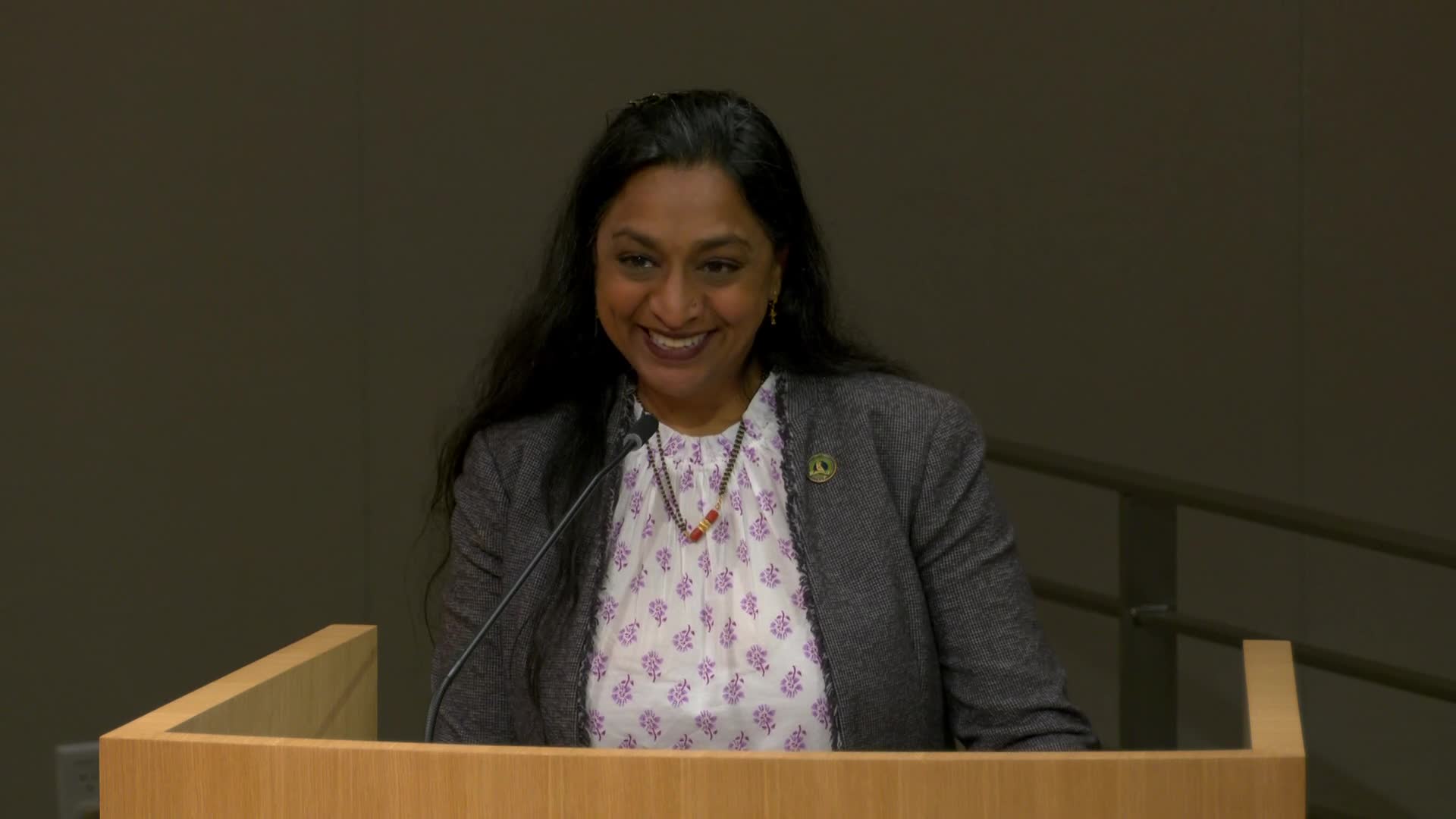
Assemblymember Patel told the Senate Committee on Public Safety that AB 237 would close a gap in Penal Code section 422 that can prevent prosecution of threats aimed at sensitive locations such as schools, hospitals and places of worship.
AB 237, authored by Assemblymember Patel, was presented Tuesday to the Senate Committee on Public Safety as a measure supporters say closes a statutory gap that can prevent prosecutors from pursuing threats aimed at sensitive locations.
Patel told the committee the bill "closes a problematic loophole in Penal Code section 422 that makes the prosecution and conviction of people who threaten sensitive places unnecessarily difficult." He described cases in which threats to schools, clinics, synagogues and airports could not be prosecuted because the statute—as applied by some courts—has required proof tied to a specifically named victim.
Pat Espinosa, chief deputy in the San Diego County District Attorney's Office, told the committee the statutory language and jury instructions tied to Penal Code section 422 are often interpreted to require a single identifiable victim. "When someone posts a unanimous statement on social media and says, ‘I'm gonna blow up the school,’ ... who is sufficient to be in sustained fear?" Espinosa said, adding that AB 237 would allow prosecutors to show the threat targeted a place or group rather than one particular named person.
Jonathan Feldman of the California Police Chiefs Association said courts have at times treated outlier decisions as if they establish the rule, and that the bill would help law enforcement respond and better account for public‑safety costs of mandatory, resource‑intensive responses to threats.
Opponents argued that existing law already permits prosecutions for general threats and cautioned AB 237 risks expanding criminalization of students and people with mental illness. George Pramathu, legislative attorney for ACLU California Action, said prosecutors refiled charges in the Shoal Creek Elementary case after addressing the judge's concerns, and that the record shows Penal Code section 422 has been used in many general‑threat prosecutions. Alice Michael of the California Public Defenders Association said she shares concerns about children and people with severe mental illness being swept into the criminal system and noted the bill’s misdemeanor provision for minors still carries incarceration exposure.
Senators questioned the author and witnesses about the effect of appellate decisions and case law cited in the committee analysis. The author and supporters emphasized amendments offering diversion for eligible minors and said the measure does not increase punishment but clarifies the statutory language so prosecutions can proceed where threats target places rather than a single named person.
No formal vote was held; the hearing proceeded without a quorum and senators indicated they would take up motions when a quorum is present.
Provenance: testimony by Assemblymember Patel (presentation) and Pat Espinosa (commentary) during the committee hearing on 07/01/2025.