Oakland raises municipal tax rate to 63 cents; residents voice affordability concerns
Loading...
Summary
The Oakland Board approved ordinance 25-06 to set the fiscal year 2026 municipal property tax levy at approximately 63 cents per $100 of assessed value after a public hearing in which multiple residents said the increase was a significant burden.
The Oakland Board of Mayor and Aldermen adopted ordinance 25-06, establishing the municipal property tax levy for fiscal year 2026 and moving the town's rate to roughly 63 cents per $100 of assessed value. The ordinance passed on a 4-0 roll-call vote.
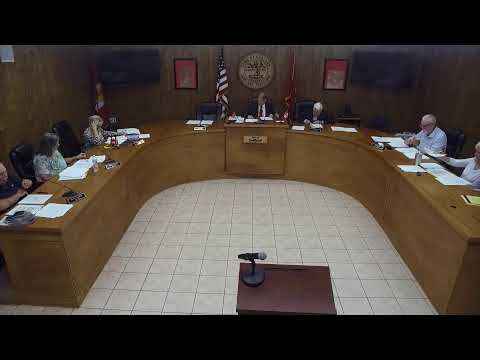
The board opened a public hearing before taking up the ordinance. Dozens of residents spoke or were recognized during the hearing; many said a 40% increase in assessed value or an increase from about 45 cents to 63 cents would create hardship for seniors and fixed-income households. "I agree property taxes probably need to go up a little bit, but 40% is quite a burden," one resident said during the public comment period. Several speakers asked for greater transparency about how the revenue would be spent.
Town officials and aldermen defended the rate increase as necessary to cover essential services and deferred infrastructure needs. During public comment the mayor reminded the audience that the town's $17 million annual budget relies primarily on sales tax receipts and that "only $3,000,000 of property tax is going to be collected" under the proposed levy. Alderman Hall said the board had scrutinized department budgets and that the increase was required to fund public safety and infrastructure, including planned fire protection staffing and capital needs.
Residents described the personal impact of the change. Gary Borth, an Oakland resident for 15 years, said his city property tax rose from $327 in 2022 to $493 in 2023 and would go to $679 under the new levy, a change he described as a 107% increase in three years when combined with other assessment changes. Violet Gray, who identified herself as a 79-year-old senior on fixed income, said her city property taxes had doubled in recent years and that another increase was unaffordable.
Alderman Ken Sutton and others discussed the distinction between assessed value and taxable value, noting that Tennessee's assessment practices (cited by Sutton) typically assess property at 25% of market value and that a 40% reappraisal does not directly translate to a 40% tax-bill increase. Sutton also noted state tax-relief options for seniors who cannot afford increased bills.
After the public hearing, Alderman Humble moved to approve ordinance 25-06; Alderman Campbell seconded. The recorded vote was Alderman Campbell, Alderman Austin, Alderman Hummel and Vice Mayor Cates voting "yes." The motion carried 4-0.
The new levy will appear on next year's property tax bills and the board said the funds are intended to support services and capital needs outlined in the recently adopted FY2026 budget.