Get Full Government Meeting Transcripts, Videos, & Alerts Forever!
Get email alerts on the Gaza Humanitarian Crisis topic
No spam. Unsubscribe anytime.
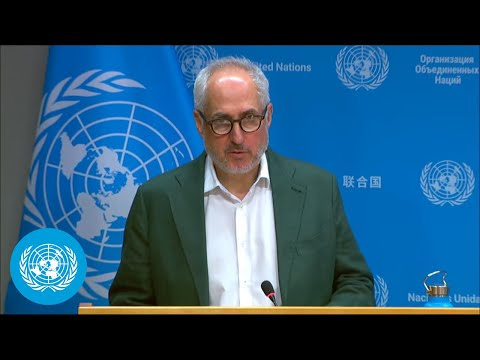
U.N. says Gaza evacuations, fuel and access limits are worsening a humanitarian crisis; urges safe aid delivery amid concerns about some providers
Summary
The United Nations warned in a briefing that recent evacuation orders and restrictions on fuel and aid have displaced tens of thousands of people in northern Gaza and are deepening a humanitarian crisis.
The United Nations warned in a briefing that recent Israeli evacuation orders in northern Gaza and restrictions on fuel and other imports are displacing tens of thousands of people and worsening hunger and malnutrition across the territory.
"Civilians must be respected, and they must be protected," the secretary-general said, according to remarks read at the briefing, adding that "all hostages held in Gaza must be released immediately and unconditionally." The U.N. said full, safe and sustained humanitarian access must be granted in accordance with humanitarian principles of humanity, impartiality, neutrality and independence.
The U.N. Office for the Coordination of Humanitarian Affairs (OCHA) told the briefing that heavy constraints on movement and deliveries have left people in Gaza facing extreme hunger. The World Food Programme (WFP) reports that one in five people faces catastrophic levels of hunger and that more than 90,000 women and children urgently require treatment for malnutrition. WFP also told the U.N. that about 130,000 metric tons of food are positioned in the region and ready to serve people in Gaza if improved access is granted.
The U.N. spokesperson said Israeli authorities must facilitate the entry of fuel to power hospitals, desalination and sanitation, telecommunications and community kitchens, warning that continued fuel shortages will cause life-saving services to fail. The briefing also said large displacement orders have pushed people into overcrowded sites that lack shelter, water and medical services.
The briefing addressed public reports and Gaza authorities' claims that some food packages linked to private distributors were contaminated. Questioners raised reports that some "flour" or "flower" bags were laced with oxycodone; the U.N. spokesperson said the organization had seen the reports but had no independent confirmation and was seeking further information from colleagues on the ground. "Any type of these kinds of reports are concerning. We just have no way at this point, I have no way of confirming them or denying them," the spokesperson said.
On the wider question of private or peer organizations delivering food, the U.N. reiterated that it will work with organizations that meet humanitarian standards. "We will work with NGOs, large and small, who meet the standards that we require," the spokesperson said, adding that operations must not add risk to people already facing hunger and that humanitarian delivery should be safe and sustainable.
The U.N. also highlighted a rising risk of gender-based violence and disruptions to essential services in Gaza and called on all parties to comply with international law and to allow unhindered humanitarian movements. The secretary-general welcomed mediators' efforts and reiterated an appeal for an urgent, sustained ceasefire to reduce civilian harm.
The briefing did not announce any new U.N. operational partnerships or formal changes to how the U.N. will verify or authorize private actors' participation in Gaza distributions; U.N. officials said work to gather information is ongoing.