Get Full Government Meeting Transcripts, Videos, & Alerts Forever!
Get email alerts on the Permanent Affordable Homeownership topic
No spam. Unsubscribe anytime.
Supporters push ‘Homes for Lasting Affordability’ bill to preserve permanently affordable homeownership
Summary
Advocates, community land trusts and legislators urged creation of a state program to fund permanently affordable homeownership units and small developments, saying the approach preserves subsidy value across generations and supports wealth building for low‑ and moderate‑income families.
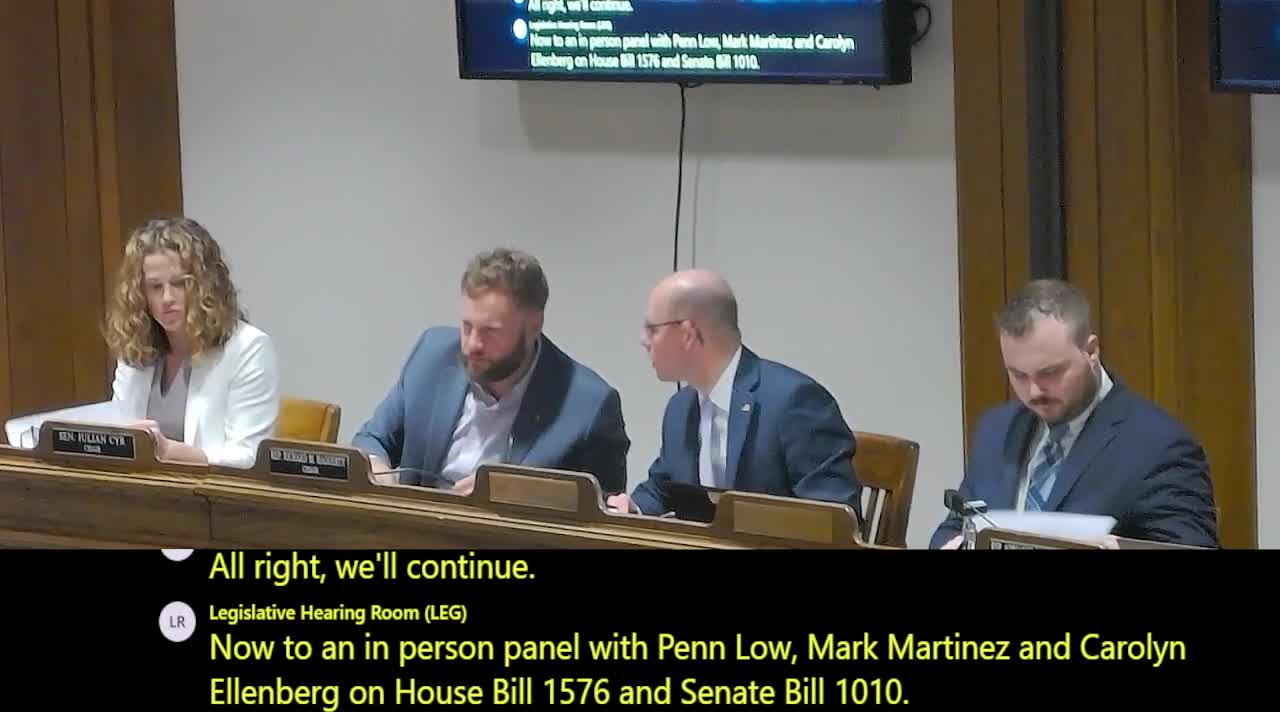
Witnesses urged the Joint Committee on Housing to advance a proposal (H.1576 / S.1010) to create a permanent affordability homeownership program—branded in testimony as “Homes for Lasting Affordability.” That program would fund permanently affordable ownership units, often paired with shared‑equity models, and prioritize small‑scale projects up to roughly 25 units.
Proponents said permanent affordability programs anchor neighborhoods by keeping publicly supported homeownership affordable for multiple generations. Mark Martinez, a housing attorney and president of the Highland Park Community Land Trust, described a Highland Park project that nearly stalled because state funding rules excluded permanently affordable ownership. Caroline Ellenburg of Comunidad CLT Chelsea told lawmakers her organization’s first shared‑equity condominium project is proceeding only with city support; she said state programmatic funding would make replication possible.
Penn Low, a Tufts University researcher, and Michelle D’Lima of the Greater Boston Community Land Trust Network summarized evidence that community land trusts (CLTs) and shared‑equity ownership preserve public investment and provide stable ownership that is less vulnerable to foreclosure during downturns. Low said public investment in permanent affordability is “a one‑time investment that continues to pay off for generations rather than for just one generation home buyer.”
Senator Liz Miranda and a House cosponsor described the bill as a targeted program for households at 70–120% of area median income and said affordability covenants or ground leases would preserve affordability for 99 years. Supporters asked that the program focus on smaller, neighborhood‑scaled projects and that it be administered by the Executive Office of Housing and Livable Communities to coordinate with other state housing programs.
Witnesses argued the program would complement rental production, fill gaps left by expiring long‑term affordability and support wealth building for communities of color. They urged the committee to report the bill favorably and to pair funding with technical assistance for community‑based sponsors and CLTs.
The committee did not take votes during the hearing; advocates promised follow‑up materials with project case studies and cost estimates.