Get Full Government Meeting Transcripts, Videos, & Alerts Forever!
Get email alerts on the Accessory Dwelling Units topic
No spam. Unsubscribe anytime.
Committee hears push for statewide ADU trust fund to lower up‑front costs for homeowners
Summary
Witnesses at the Joint Committee on Housing urged lawmakers to create an Accessory Dwelling Unit (ADU) trust fund to help low‑ and moderate‑income homeowners cover predevelopment and construction costs and to expand lending options for ADU projects.
Lawmakers heard a string of testimonies urging creation of a state ADU trust fund to help homeowners cover upfront costs and financing barriers for accessory dwelling units, or ADUs.
Proponents told the Joint Committee on Housing that ADUs can expand housing supply and support homeowners, but high up‑front costs and limited lending products now block many households from building them. Supporters asked the committee to establish a dedicated trust fund that would provide grants and below‑market loans and couple technical assistance with contractor lists and workshops.
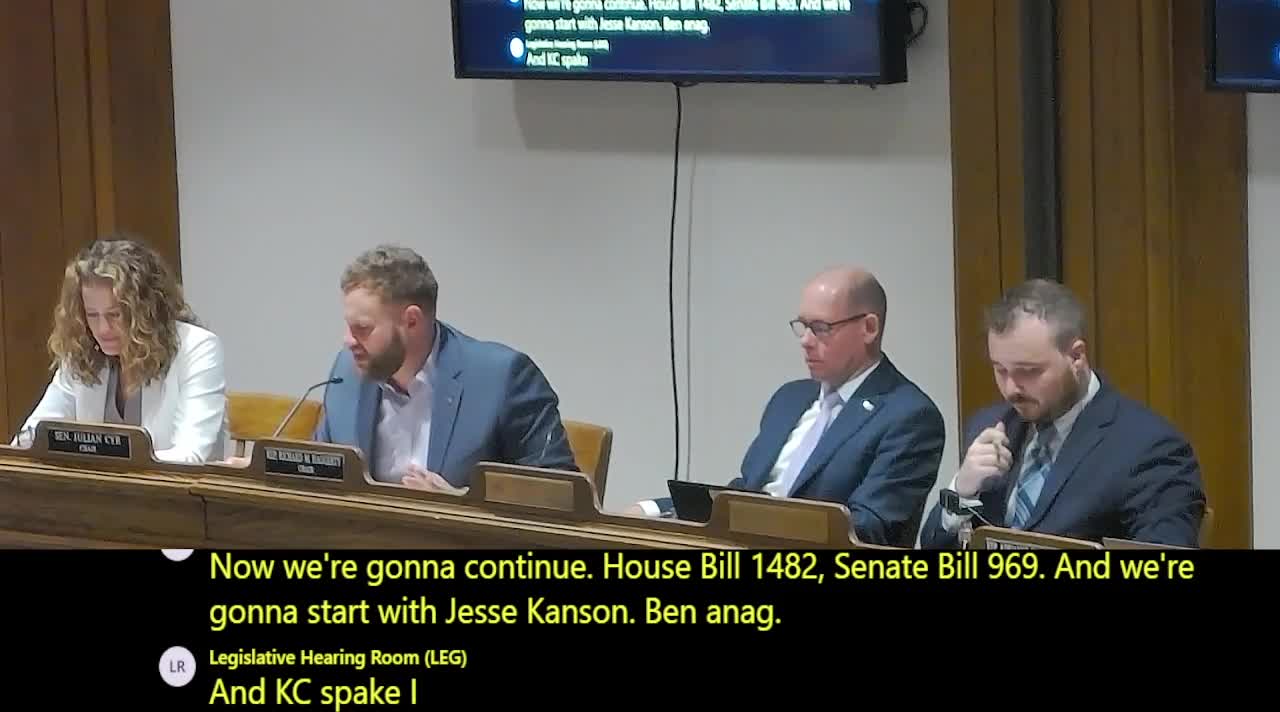
An ADU trust fund would act as a financial and technical support mechanism to scale owner‑built or owner‑sponsored ADUs, witnesses said. Jesse Kancin Beninov, executive director of Abundant Housing Massachusetts, told the committee the proposed trust fund “builds on the success of last year's ADU legalization in the Affordable Homes Act by addressing the financial barriers low and moderate income property owners face.” He urged the committee to report the bill establishing the fund (H.1482 / S.969) favorably.
Speakers described three common barriers to ADU production: the high out‑of‑pocket predevelopment and construction costs, lack of conventional loan products that underwrite projected rental income, and homeowners’ limited experience acting as small‑scale developers. Courtney Brunson of the Boston Foundation said, “The average ADU costs between $150,000 to $350,000 to build,” and noted lenders often exclude projected ADU rental income from underwriting, which prevents many homeowners from qualifying for construction financing.
Boston staff work was cited as a model: the city offers predevelopment grants (reported at $7,500), construction loans and soft‑loan products targeted to households at or under local median income limits. Testimony from Acton Housing for All and Boston Foundation representatives said a statewide trust fund would allow similar targeted supports to be offered across municipalities, especially to low‑ and moderate‑income and older homeowners.
Real‑estate and builder groups also supported the bill as a way to increase smaller‑scale production while keeping neighborhood character intact. The Greater Boston Real Estate Board reiterated that ADUs are an important production tool but require homeowner supports such as design assistance and financing facilitation.
Supporters asked the committee to design the fund to serve homeowners earning up to specified area median income thresholds (witnesses mentioned 110% AMI in examples) and to coordinate with municipal implementation and existing state technical assistance programs. Several witnesses said the fund should pair grants or forgivable predevelopment support with low‑cost construction loans or loan guarantees to broaden lender participation.
The committee did not take votes on the measure during the hearing. Sponsors and backers said written testimony will include program design options, eligibility definitions, and recommended funding levels.
Looking ahead, advocates asked the committee to move the ADU trust fund forward quickly as a means to deliver neighborhood‑scale housing production and to close racial wealth gaps by enabling homeowners—especially homeowners of color—to earn rental income or downsize while keeping family ties intact.