Get Full Government Meeting Transcripts, Videos, & Alerts Forever!
Get email alerts on the External Agencies And Services topic
No spam. Unsubscribe anytime.
Community mental health, United Way, MSU Extension and veteran services warn cuts would limit services countywide
Summary
Community mental-health officials, United Way, MSU Extension, veteran services and emergency management told commissioners proposed cuts would reduce jail-based treatment, mobile tax services, local extension support and veteran assistance.
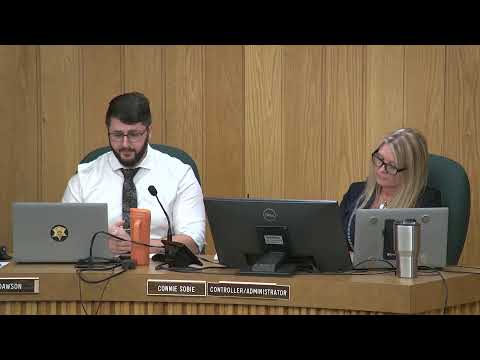
Several external agencies and county programs presented at the special budget session to explain the community impacts of proposed reductions.
Community Mental Health Authority (CMHA) CEO Sarah Lurie said the board's 30% cut to the allocation her agency requested would force reductions in jail-based behavioral-health services (cutting psychiatric and jail-therapy coverage from five to three days per week), curtail outpatient support at the Eaton Counseling Center and pause a planned partnership to expand services in Eaton Rapids. Lurie emphasized the allocation funds uninsured, underinsured and "spend-down" clients and said reductions could reduce access for people with serious mental illness.
United Way of South Central Michigan asked the county to fund two services: 2-1-1 (a 24/7 referral line) and VITA tax-preparation services. United Way said VITA returned about $140,000 to about 1,300 Eaton County residents last tax season and asked for $7,000 to support a mobile VITA unit that would bring free tax-preparation stations into rural areas. United Way also described 2-1-1 as a crucial referral network that connects callers to utilities assistance, mental-health services and VITA scheduling.
MSU Extension Director (district) Bill (last name not stated in transcript) described a requested county allocation used to maintain local extension staffing, provide office support and bring statewide subject-matter educators into Eaton County programs. He said proposed reductions would force the local office to reduce a full-time support position to part time or cut office hours, though he said direct 4-H programming would be preserved if at all possible.
Public Defender Timothy Havas said the county's public-defender office was successful in obtaining a state grant for FY26 but cautioned that reductions in other county departments (sheriff, courts, specialty courts) would ripple into defense services because defense attorneys depend on jail visitation, court schedules, and specialty courts as alternatives to incarceration.
Veteran service officer Tom Lewis outlined a low-budget county program that leverages state and grant funds to provide dental assistance, transportation to VA appointments (volunteer drivers) and small emergency grocery-card grants. Lewis noted $78.3 million in VA payments flowed to Eaton County veterans last year and said the county's local veteran services office remains a cost-effective channel to help veterans secure federal benefits.
Emergency Management Director Ryan Wilkinson said losing the county's emergency-management specialist position (a second full-time equivalent in a two-person office) would be a 50% cut to emergency-management capacity; he described the office's role in disaster planning, coordination and public information during events such as the August 2023 storms that later yielded a presidential disaster declaration and federal assistance.
Planning & zoning director Brandy said she is preparing contracts that would allow 11 townships to pay 100% for county-provided planning and zoning services; the draft contract is under review by the controller's office and county counsel. Equalization director Tim (last name in transcript) outlined a requested reduction of one vacant position and cautioned that assessor training and recruitment remain statewide challenges.
None of the external providers reported a final loss of services in the meeting, but several said proposed reductions would pause planned expansions, reduce clinic or office hours, or reduce jail-based psychiatric coverage. Commissioners asked questions about specific staffing and program implications and asked staff to continue reviewing grant offsets and other revenue sources.