Get Full Government Meeting Transcripts, Videos, & Alerts Forever!
Get email alerts on the Employee Compensation topic
No spam. Unsubscribe anytime.
Board approves 3.1% pay package in tentative agreement with Hazel Education Association; non‑unit staff to receive same increase
Summary
The Board of Education approved a tentative 3.1% compensation package with the Hazel Education Association (HEA) for the 2025‑26 school year and separately approved the same 3.1% increase for classified staff and licensed employees not in the bargaining unit.
The Board of Education voted to approve a tentative agreement with the Hazel Education Association (HEA) that represents a 3.1% total compensation package for the 2025‑26 school year and separately approved the same 3.1% increase for classified staff and licensed employees not covered by the bargaining unit.
The negotiated package, presented to the board before an executive session, places $850 on the certified salary base, funds horizontal movement for eligible staff and adjusts the supplemental salary schedule. A district presenter said the total package is about $819,662 and “equates to a 3.1% package.” The board then returned from executive session and approved the agreement by recorded motion.
Board members and staff who negotiated the agreement said the $850 boost to the base increases the district—s starting teacher salary from $41,524 in 2024‑25 to $42,374 for 2025‑26. The negotiations team estimated the $850 base increase costs about $541,000; horizontal movement (for staff who complete qualifying coursework) was estimated at $250,000; and supplemental salary changes at $26,000. Together those elements total the roughly $819,662 figure shown to the board.
Negotiators described the package as a mix of base increases and targeted moves rather than a single percentage across-the-board raise. The district noted that placing money on the base affects the certified salary schedule multiplicatively: more senior cells on the salary schedule receive larger dollar increases because of the schedule—s factors (for example, the presentation showed a bottom‑right cell factor of roughly 2.09). The presenters said an alternative of putting all funds on the base would have produced a larger single‑year increase to the base, but the team chose the combination package as the best compromise for the district and staff.
The presentation also covered health‑insurance changes negotiated with the package. The board—s contribution toward premiums was described as: $500 per month for single coverage, $600 for employee plus one, and $1,150 for family coverage. Presenters said the district—s total cost for health insurance stayed flat year over year, while changes in premiums and plan options should lower out‑of‑pocket costs for many employees. The negotiations facilitator, Kirsten Zerber, oversaw the interest‑based bargaining process.
Board members asked questions about the package—s composition and its relation to prior years— settlements. Presenters reminded the board that recent packages were larger (cited by presenters as about 5.2% and 6% in earlier negotiation cycles) and said declining enrollment — which reduces revenue under the district—s funding formula — limited the district—s ability to offer a larger package this year.
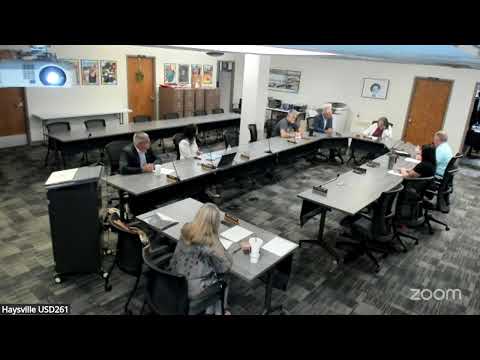
After the board—s return from executive session, a motion to approve the tentative agreement was made by Jennifer and seconded by Courtney; the board recorded the motion as approved (4‑0). The board then approved a separate motion, also carried 4‑0, to apply a 3.1% salary increase to classified staff and licensed employees who are not members of the bargaining unit, consistent with past practice. Both actions take effect for the 2025‑26 school year.
The negotiations team reported the HEA bargaining unit ratified the tentative agreement prior to the board vote. The board invited negotiators Jillian, Craig and Jeff into the executive session on the item before making the final motions.
Board officials said vertical movement (step increases tied to years of service) was discussed during bargaining but was not included in the 2025‑26 package; negotiators said that decision was deliberate and intended to extend the package—s reach across the salary schedule. Presenters characterized the year as "not frozen" — the team chose to allocate more dollars to the base this cycle rather than add vertical steps.
No dollar figures for budget sources were specified during the presentation beyond the per‑category estimates for the package and the presenters— comment that declining enrollment constrained available funds. The board did not raise conditions attaching the approvals to additional outside approvals; both motions were presented as final board actions.
The board adjourned after approving the motions.