Get Full Government Meeting Transcripts, Videos, & Alerts Forever!
Get email alerts on the Health Assurance Program topic
No spam. Unsubscribe anytime.
Health department outlines reimbursement models for Health Assurance program after budget cut
Summary
Prince George's County Health Department presented administrative requirements and three reimbursement models to stretch a reduced Health Assurance fund; FQHC representatives said current reimbursement likely undercuts true clinic costs and urged robust data collection and enrollment planning.
The Prince George's County Health Department presented administrative procedures and three reimbursement models for the Health Assurance program after county funding was reduced to $2,000,000 (from a previously discussed $5,000,000). The department recommended standard operating procedures for provider agreements, patient eligibility, claims review and quarterly audits.
Health department staff said the current program is a reimbursement model and proposed establishing provider participation procedures, annual provider compliance attestations, a uniform patient eligibility form documenting county residency and income, monthly invoicing and a claims‑review workflow that routes payments to finance within 30 days. The department described plans for encrypted, HIPAA‑compliant data storage and quarterly random audits of patient files.
The department presented three example reimbursement models to show tradeoffs between per‑visit reimbursement and unduplicated patients served. Using the current $180 per visit flat rate (and a reduced $80 reimbursement for follow‑ups in 1 model), the scenario analysis estimated serving roughly 3,300 to 5,700 patients per year depending on assumptions about average visits per person and whether follow‑up visits are paid at a lower rate. The department emphasized these were models for planning, not final policy.
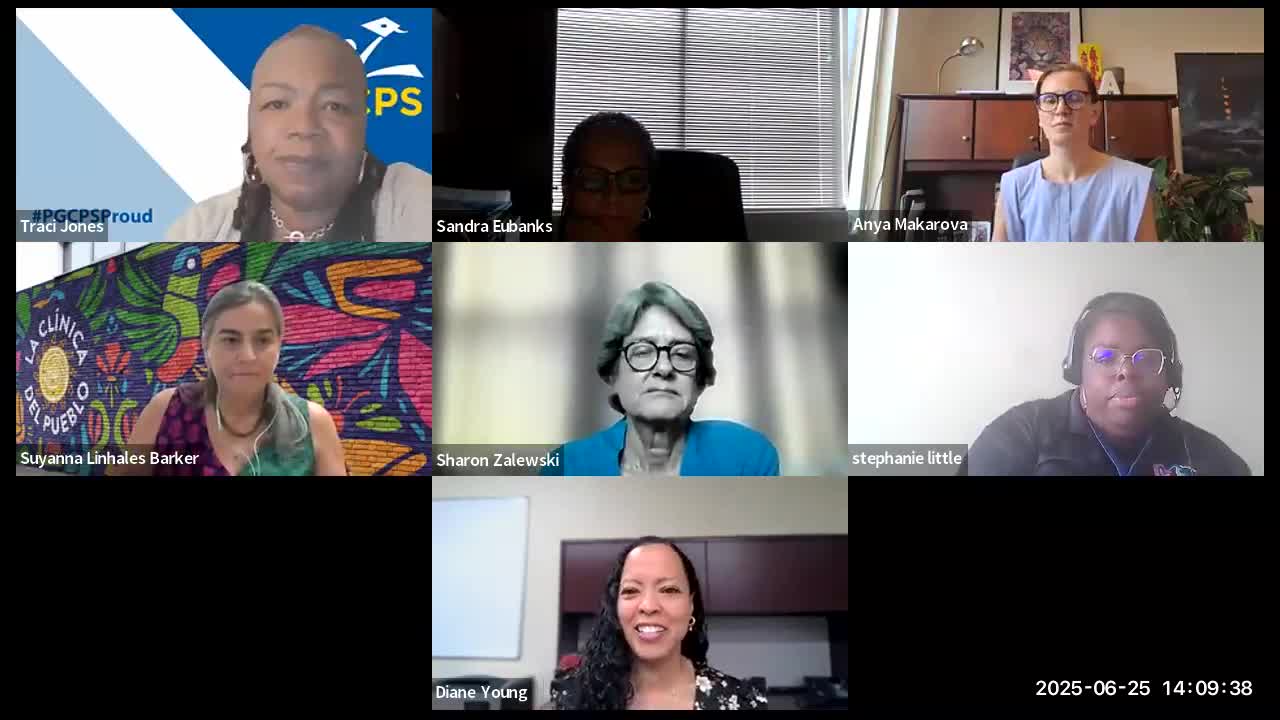
FQHC representatives cautioned the department that the average cost per primary‑care visit at county FQHCs is higher than the Health Department's reimbursement assumptions. "The cost of a primary care visit at the FQHCs ranges... the average of the 6 FQHCs in the county is $270 per visit," said Sharon Zalewski of the Regional Primary Care Coalition. Health department presenters acknowledged the gap and said they were proposing models to stretch limited funds while collecting program data to seek long‑term sustainability.
Discussion focused on how to avoid duplicating services, how to integrate mental‑health contracts with community providers, enrollment and re‑eligibility intervals (six months versus a year), and how to track unduplicated patients. County staff stressed the importance of building a longitudinal data story to support future funding requests and suggested enrollment and eligibility procedures would be developed by the work group.
Ending: the work group was asked to review the reimbursement models and submit recommendations; health department staff said they would circulate the models and supporting materials for further discussion and to support the group's recommendation process.