Get Full Government Meeting Transcripts, Videos, & Alerts Forever!
Get email alerts on the Environmental Health topic
No spam. Unsubscribe anytime.
Bill would exempt Chiquita Canyon relief payments from state income tax
Summary
Assemblymember Pilar Schiavo and affected residents urged the Senate committee to classify Chiquita Canyon Landfill relief payments as nontaxable, citing health and financial harms from an underground landfill fire; committee voted to pass AB 27 with a unanimous vote.
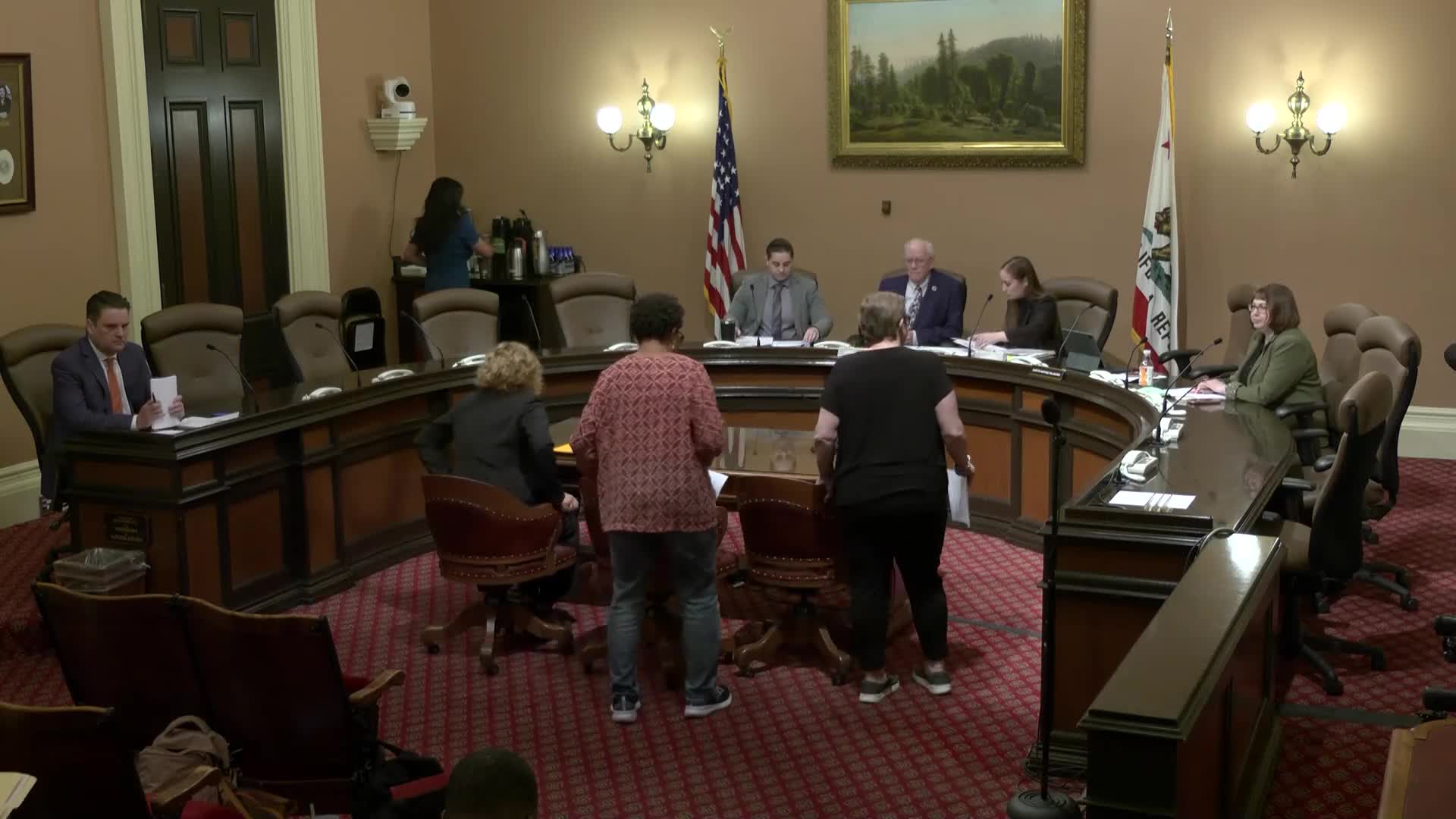
Assemblymember Pilar Schiavo asked a California Senate committee to pass AB 27 so residents who accepted relief payments after an underground fire at Chiquita Canyon Landfill are not taxed on that aid.
The bill would exclude from state taxable income payments made to residents for home hardening and other costs tied to the landfill fire, Schiavo told the Senate Committee on Tax and Revenue.
The measure responds to testimony from Val Verde residents who said the Chiquita Canyon underground fire, which presenters described as expanding from roughly 30 to 90 acres, has released hazardous compounds and imposed ongoing costs on nearby households. Resident Brandy House said her family, who live about 1,600 feet from the reaction site, used relief funds to install central air with HEPA filtration, replace windows, seal doors and buy medical‑grade air purifiers. "These funds were essential to protecting our health and not income," House said. Nora Lynn Clemens, another resident, said neighbors have suffered nosebleeds, headaches, asthma and cancer diagnoses and that taking relief checks produced unexpected tax liabilities.
Officials and advocates spoke in support. Erica Parker of Californians Against Waste and Marvin Dionne of the County of Los Angeles voiced support for AB 27. In presenting the bill, Schiavo said the relief fund operated about a year and ended in March.
Supporters said the practical effect of the bill would be to prevent households already coping with health effects and higher utility costs from being pushed into higher tax brackets or losing eligibility for means‑tested programs. Schiavo described AB 27 as aimed at preventing the relief payments from being treated as taxable income or as income that could jeopardize state assistance such as CalFresh or Medi‑Cal.
Committee members thanked the witnesses and the bill author. The committee recorded a final vote of 5–0 to pass AB 27 to the committee on rules.
The bill now proceeds through the legislative process; proponents said federal or state emergency declarations could have triggered other responses but that no state emergency was in effect for this incident at the time of testimony.