Get Full Government Meeting Transcripts, Videos, & Alerts Forever!
Get email alerts on the Ai Policy topic
No spam. Unsubscribe anytime.
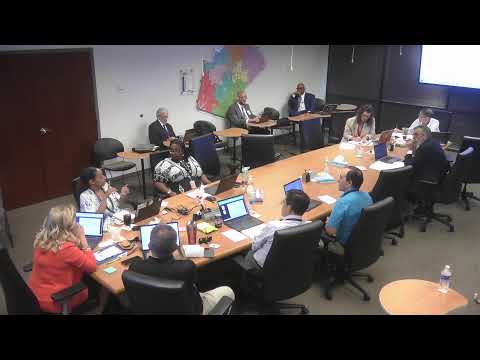
Policy committee reviews draft AI policy and task‑force recommendations; staff to return in July
Summary
Wake County Schools staff presented a draft generative‑AI policy (1910) developed by a 35‑person task force; the committee discussed guiding principles, academic integrity, data governance, and recommended further student and curriculum committee engagement and phased implementation.
Wake County Schools’ Policy Committee received a multi‑day task‑force report and a draft policy (proposed Policy 1910) establishing principles and expectations for generative artificial intelligence in the district’s schools and operations.
What staff presented Staff said a 35‑member task force composed of educators, technology staff, HR and legal representatives worked across multiple sessions to identify risks, safeguards and a rollout plan. The draft policy includes definitions for generative AI and AI literacy, four guiding principles (prioritize student success and well‑being; embrace AI literacy and access; champion responsible ethical use; maintain a human‑centered approach), and five district commitments (safeguards; partner with educators and students; equip families; offer guidance; implement AI literacy training).
Key board questions and staff responses - Student involvement: Board members asked for student input; staff agreed and proposed inviting student voices to a board work session or student achievement committee meeting in the fall so students can describe classroom experience and expectations. Staff said they had shared the draft with the superintendent’s student leadership group and received constructive feedback. - Academic integrity and instruction: Board members asked how the policy and implementation will protect the learning process (productive struggle, problem solving) rather than merely policing citation. Staff proposed developing teacher resources, citation best practices and classroom‑specific guidance and suggested the Student Achievement Committee would be the right venue for deeper curriculum discussion. - Data governance and vendor practices: The task force recommended a vendor‑expectations letter outlining baseline requirements for any external provider using student or staff data, including data deletion, encryption, and contractual terms limiting training on district data without consent. Staff said Technology Services will vet or restrict district use to approved AI tools to protect student data and FERPA confidentiality.
Next steps and timeline Staff recommended a phased, sustainable rollout with professional development for staff, updated acceptable‑use guidance, and a return to the policy committee in July for further discussion and refinement. Student input is expected in the fall semester.
Ending Committee members thanked the task force and requested staff bring student achievement committee input and proposed implementation guidance when the policy returns to the July agenda.