Get Full Government Meeting Transcripts, Videos, & Alerts Forever!
Get email alerts on the Subdivision Regulation topic
No spam. Unsubscribe anytime.
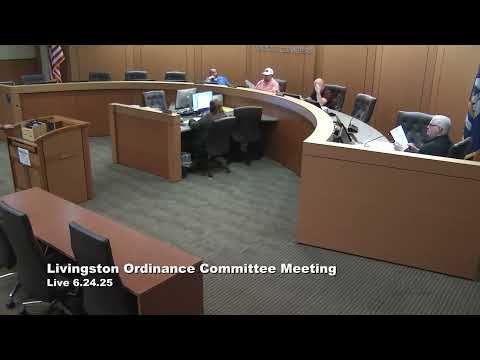
Committee moves to tighten minor resubdivision rules; drainage and impact study triggers debated
Summary
The ordinance committee reviewed changes to minor resubdivision rules: reducing the number of lots qualifying as a 'minor' resub, extending the waiting period before subsequent resubmissions, adding drainage and traffic‑impact study requirements for later subdivisions, and clarifying coordination with gravity drainage districts.
Livingston Parish ordinance committee reviewed a draft ordinance that would change rules for minor resubdivisions (minor resubs), tighten lot limits, and require drainage and traffic impact reviews for subsequent subdivision of a parent tract.
The sponsor summarized proposed changes: reduce the minor‑resub threshold to six lots (down from nine in earlier drafts), require drainage and traffic impact studies for subdivisions of seven lots or more (to be reviewed by the parish engineer), and extend the waiting period before a parent tract may be subdivided again from two years to 60 months (five years). The sponsor said the change aims to stop a recurring pattern in which larger parent tracts are gradually parceled into multiple small subdivisions without comprehensive drainage review.
Attendees debated whether the impact studies should be mandatory (“shall”) or discretionary (“may”) for subsequent subdivisions. Ricky Gall expressed concern that mandatory studies could impose significant cost burdens on small landowners seeking to split off a single lot for family members; other speakers and drainage‑district representatives said discretionary review leaves a loophole that allows cumulative development to occur without proper drainage analysis. One planning official suggested the planning department should retain some discretion while gravity drainage districts should be given a formal opportunity to issue objections within a set number of days.
Committee members discussed operational details: adding a minimum lot size (a proposal of one‑half acre was suggested), whether drainage districts outside district boundaries should be involved, and how to avoid duplicate engineering reviews and fees. Professional land surveyor Ralph Burgess, master‑plan committee members and planning staff described common practices in other parishes and urged clearer language so that drainage districts and the parish engineer have an opportunity to review minor resubs. Bridal Clemons said his review of about 60 parishes found most require a plan before rezoning or substantial subdivision.
The sponsor asked staff and the attorney to refine language (including restoring a 20‑day review period for drainage comments and clarifying when studies are required) and to circulate a revised draft ahead of the next ordinance committee meeting; committee members agreed to work on targeted edits. No formal committee vote on the ordinance was recorded in the transcript.