Get Full Government Meeting Transcripts, Videos, & Alerts Forever!
Get email alerts on the Property Fraud topic
No spam. Unsubscribe anytime.
Recorder’s office, title company urge vigilance as property-fraud scams rise
Summary
Marion County Recorder Faith Kimbrough and title attorney Lori Kemp discussed rising property-fraud schemes, recommended registration for county property-fraud alerts, third-party identity verification for mail-away closings, and stepped-up education for lenders and agents.
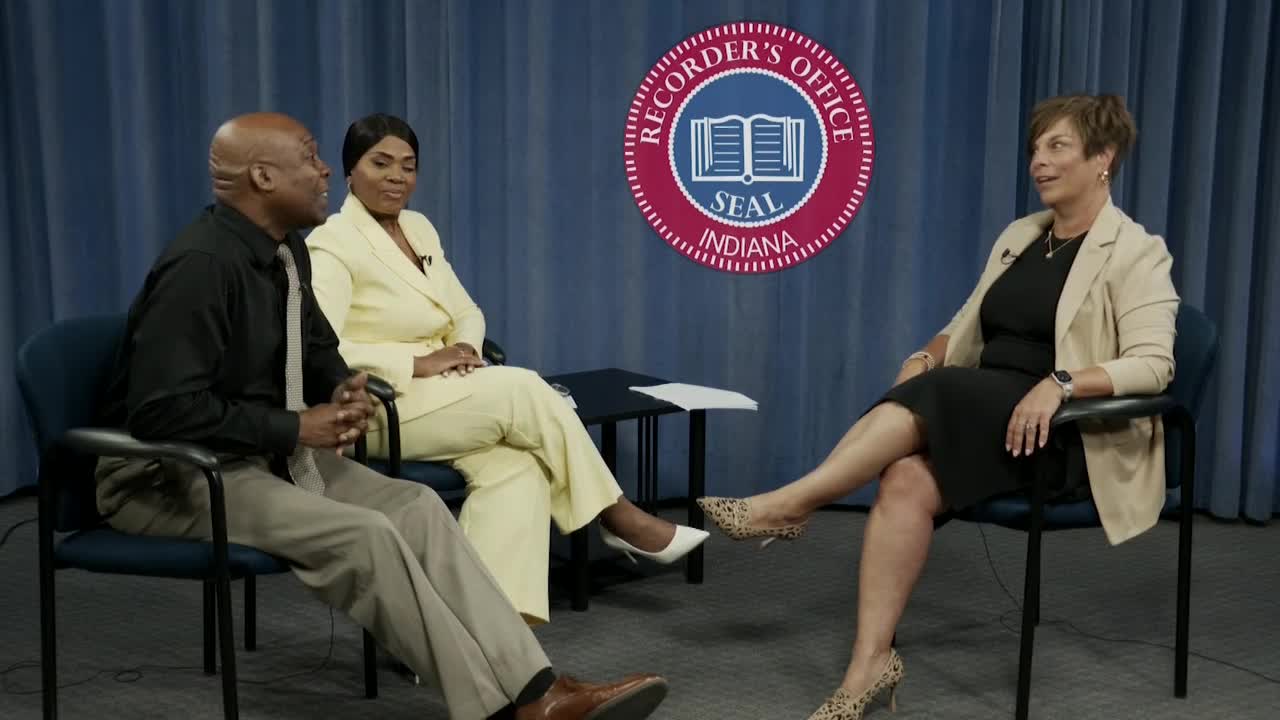
Marion County Recorder Faith Kimbrough and guest Lori Kemp, founder and attorney of Momentum Title, urged property owners to use fraud-alert tools and to be cautious about email and closing processes as property-fraud schemes increase across Indiana.
Kemp said counties offer a “property fraud alert” that “doesn't really prevent it, but they can at least get a notification if something happens with their deed,” and described title-industry steps to reduce risk, including third-party identity-verification for mail-away notarizations and education for lenders and agents.
Why it matters: public county records are openly accessible, Kemp and Kimbrough said, and that accessibility combined with improved spoofing emails and stolen account access makes closings and recorded transactions an attractive target for fraudsters. Early notification gives homeowners and title companies faster opportunity to respond.
Kemp described several prevention practices used by Momentum Title and partner counties: encouraging buyers and sellers to register for county fraud alerts; providing fraud-awareness materials to lenders, agents and clients; requiring in-person closings where possible; and, when an in-person signing is not feasible, using a certified third-party verification vendor that requires ID uploads and a live photo to match identity.
Kimbrough noted the recorder’s office is limited in what it can do alone and emphasized the role of public education. “Everyone has to be alert,” Kemp said, urging people to verify unexpected emails or wiring instructions with a phone call before clicking links or sending funds.
The program participants also stressed elder-protection practices in closings and recommended that anyone handling closings on behalf of a property owner be prepared to demonstrate identity and authority. Title staff described traveling to assisted-living facilities and speaking by phone with principals when necessary to confirm understanding and consent.
No formal actions were taken during the recorded show; the segment was advisory. The presenters directed listeners to register for county alerts, to double‑check email requests related to real-estate transactions, and to ask title companies about identity-verification options for non‑in‑person signings.
The recorder’s office and Momentum Title said they will continue outreach to lenders, real-estate agents and the public to raise awareness of scams and of fraud-alert registration options.