Get Full Government Meeting Transcripts, Videos, & Alerts Forever!
Get email alerts on the Municipal Budget And Taxes topic
No spam. Unsubscribe anytime.
Bristol council approves budget ordinance on first reading, sets tax rate at $1.87; public speakers warn of hardship
Summary
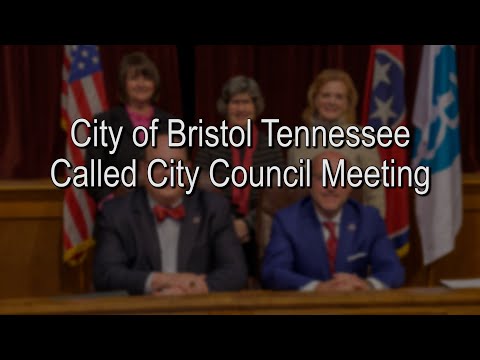
Bristol, Tennessee — At a called meeting in June, the Bristol, Tennessee City Council approved Ordinance 25-15 on first reading, a measure to adopt the fiscal year 2026 budget and set the city property tax rate at $1.87 per $100 of assessed value.
Bristol, Tennessee — At a called meeting in June, the Bristol, Tennessee City Council approved Ordinance 25-15 on first reading, a measure to adopt the fiscal year 2026 budget and set the city property tax rate at $1.87 per $100 of assessed value. Finance Director Holly Varon told the council the ordinance “incorporates the $1.87 as the tax rate and totals $154,626,310,” and said the package includes wage increases for police and fire and a 4.7% pay adjustment for other departments.
The ordinance matters because the tax-rate change is estimated to raise roughly $3.8 million in property tax revenue and, as presented, would leave the general fund about $1 million short by the end of fiscal year 2026 if no further changes are made. Councilmembers voted to place the ordinance on the July 8 regular meeting agenda for a required second reading and public hearing.
Council and staff framed the proposed increase as a response to rising personnel and equipment costs, higher vehicle replacement prices and an effort to correct long-running pay compression for city employees. Varon said the budget keeps police and fire wage increases in place and funds department analysis implementation while reducing costs elsewhere by not filling vacant positions and deferring some capital purchases, including a fire prime mover and other equipment. She said the draft removes some grant-match funding for the Shelby Lot and neighborhood traffic-calming projects.
Public comment lasted more than an hour, with multiple residents urging the council to reconsider or reduce the tax proposal and to prioritize wages for public safety over capital projects. “Have you ever considered the hardship that this will have on a lot of the citizens in our city?” asked resident Norman Cook, citing seniors and people struggling to afford food. David Metzger, who raised questions about the siting and parking for work at Todd Houston Field, told the council, “Why isn't the city taking advantage of that?” referring to previously developed athletic facilities at White Top Creek Park.
Several speakers named a pending city purchase of the L.C. King Building as a specific concern. A speaker asking about the sale was told the city has not closed on the purchase but that “the plan is to close on it.” One resident said the building purchase price had been reported in public comment as $2,750,000 and questioned whether that money might be used instead to fund employee wage increases; another asked whether the owner had contributed to campaigns. City officials did not provide a final purchase status during the meeting beyond saying the sale had not yet closed.
Support for higher wages for police and fire was voiced alongside opposition to the overall rate. “I fully support that, and I applaud that,” said Linda Darby about the proposed police pay increases, but she also asked how the city accumulated the shortfall that required such an increase. Other speakers urged greater transparency in budget line items and clearer public information about assessments and tax calculations after the recent reappraisal process.
Council discussion emphasized budget complexity and the limits of municipal authority over property reappraisals, which the council noted are handled by Sullivan County and by state rules. One councilmember recounted the city's history of conservative budgeting, GFOA recognition and the need to balance one-time capital costs with sustainable recurring expenses such as salaries and benefits.
A motion to act on Ordinance 25-15 passed on first reading by roll call vote; recorded votes in the meeting transcript show three voting “yes” and one voting “no.” The council placed the ordinance on the July 8 regular meeting agenda for a required second reading and a public hearing at 6:00 p.m. at city hall, where additional testimony and any amendments may be considered.