Get Full Government Meeting Transcripts, Videos, & Alerts Forever!
Get email alerts on the Street Vending topic
No spam. Unsubscribe anytime.
Charlotte council approves NoDa vending pilot, raises fines for unpermitted vending
Summary
City Council voted to amend vending rules to allow a six‑month permitted pilot market in NoDa and to raise civil penalties for unpermitted vending; the pilot will limit sales to non‑food arts and offer low‑cost permits, education and technical assistance.
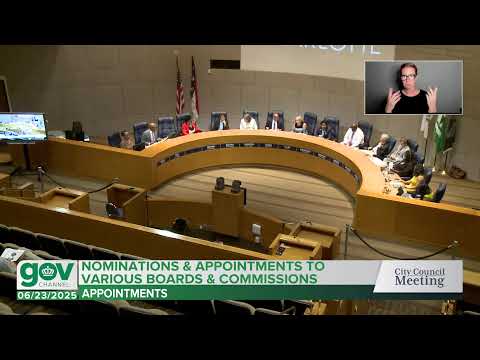
Charlotte City Council on June 23 approved ordinance amendments to the city code that raise civil penalties for unpermitted street vending and authorize a city‑administered, six‑month permitted pilot market in the North Davidson (NoDa) corridor.
Councilmembers and staff said the action aims to preserve NoDa's arts‑market character while addressing pedestrian safety, sidewalk obstruction and public‑health concerns. The pilot will establish permitted vendor sites in a defined NoDa area, initially allowing vendors of clothing, jewelry and other handmade goods but not on‑site food preparation or the sale of mixed alcoholic drinks.
Charlie Jones of the Charlotte Department of Transportation briefed council on the pilot layout and implementation. He said staff has identified four potential vendor sites that could accommodate rotating vendors (two to four days per week for each vendor, depending on interest), and that the permit will be deliberately low cost during the trial — “permanent costs will be less than $100,” Jones said — to lower barriers to entry. Staff will conduct street education before enforcement begins and provide technical assistance and business‑counseling resources to vendors. The pilot is targeted to launch in July.
Council members emphasized balancing the interests of brick‑and‑mortar businesses, residents and vendors. Councilwoman Victoria Watlington, who chaired the committee that worked on the referral, said the pilot is “about creating a structured environment so that brick‑and‑mortar businesses as well as street vendors can coexist.” Councilmember Lawanna Mayfield raised questions about enforcement, repeat violations and how fines would be applied; staff said the ordinance uses a common “not to exceed $500” civil‑penalty cap and that enforcement will begin with education.
Supporters who testified at the meeting said the policy helps incubate small entrepreneurs and preserves neighborhood character; some vendors asked council to pause expansion of restricted zones and allow a community‑led pilot model to be developed over three to six months. Council members said they would monitor the pilot closely and return with data before any expansion citywide.
The ordinance amendments approved tonight apply the new fine structure to NoDa and allow staff to stand up the NoDa market pilot for up to six months. Staff said the county health department will remain the authority for food‑safety requirements and that food or beverages requiring on‑site preparation would not be permitted under the pilot.
Council directed city staff to provide on‑the‑ground education and to track vendor participation, permit uptake, complaints and any public‑safety incidents during the pilot period; staff also committed to a post‑pilot report for council review.