Get Full Government Meeting Transcripts, Videos, & Alerts Forever!
Get email alerts on the Budget topic
No spam. Unsubscribe anytime.
Souderton board adopts balanced $159.8 million budget, raises millage by 3.95%
Summary
The Souderton Area School District board approved a balanced $159,785,442 general fund budget for 2025–26 and set a 3.95% millage increase; the final vote was 7–1 with one board member opposing.
The Souderton Area School District Board of School Directors approved a balanced general fund budget of $159,785,442 for the 2025–26 school year and set a millage increase of 3.95% at its June action meeting.
The budget passed on a roll-call vote of seven in favor and one opposed; Board member Wheeler cast the lone no vote. District finance staff presented the final figures and said the package closes a roughly $5.78 million shortfall identified at the start of the process and balances revenues and expenditures at $159,785,442.
The budget presentation identified five budget areas with changes greater than $500,000 from the prior year: regular instruction (+$2.4 million), special education (+$2.9 million, a 9.6% increase), student transportation (+$586,000, +6.49%), a decrease in debt service (down by about $2.5 million, −23%), and an internal transfer to capital reserve ($800,000). District staff said the $800,000 transfer is lower than an earlier proposal of $1 million and that some revenue adjustments reflect changes to state pension reimbursements tied to staffing.
Mr. Taylor, who presented the budget slides, said the district’s new millage rate is 35.8249. Using the district median assessed homestead value of $158,840, the presentation showed the face value tax increase on that median homestead would be about $186.60, and that tax-relief from gaming revenues raised the homestead exclusion by roughly $30 compared with last year. The presentation also noted there are 10,906 homestead properties in the district and gave a distribution of typical tax-bill ranges.
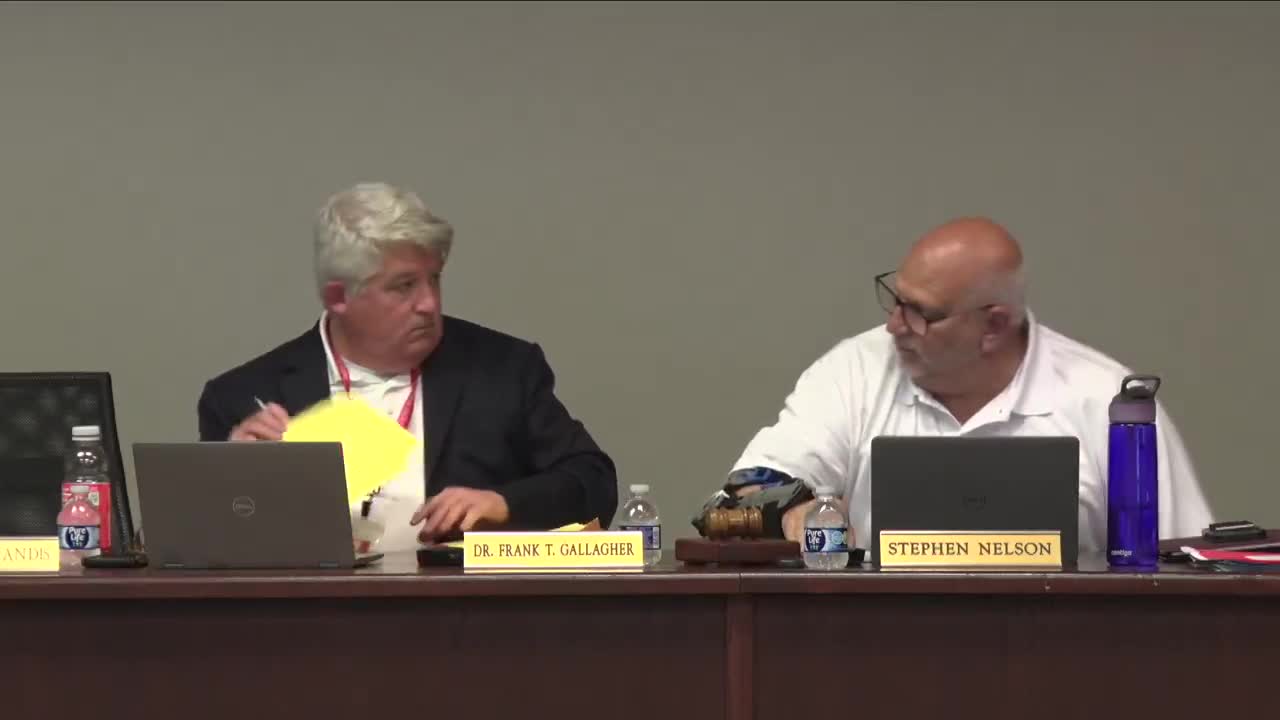
Board discussion before the vote included repeated concerns about state funding for schools and the local tax burden. Board member Braun criticized the state, saying, “It’s too high. Taxpayers deserve better.” Braun added that the district does not receive full state reimbursement for mandated costs and urged action at the state level. Board member Barnes echoed frustration over state funding and called for residents to press state legislators. Wheeler said she appreciated staff work but would vote against the budget because she did not want to increase taxes on residents who are financially strained: “I can’t vote for that.”
Superintendent Dr. Gallagher and district staff stressed that the budget avoided program cuts and layoffs and aimed to meet special-education needs while holding a balanced budget. Presentation slides shown during the meeting compared prior-year actuals, the starting point for the current-year process (a multi‑million‑dollar deficit), and the final balanced figure.
The board followed that vote by approving a Homestead/Farmstead resolution and by adopting the district depositories for 2025–26; both motions were approved by roll call without recorded opposition.
With the vote complete, the board set several upcoming meetings and heard routine reports. District staff and board members encouraged community engagement on state funding and explained that the district would continue monitoring revenue and expenditures throughout the year.
The budget vote was the primary substantive action at the meeting; other consent items were handled separately earlier in the session.