Get Full Government Meeting Transcripts, Videos, & Alerts Forever!
Get email alerts on the Short Term Rentals topic
No spam. Unsubscribe anytime.
Cayuga County to update local law to match New York State short-term rental registry
Summary
County officials said they will draft a local law to mirror a new New York State short-term rental registry, aiming to formalize registration and bed‑tax collection; county staff estimate about 250 short-term rentals in the county and say their existing registry already captures roughly 90 percent.
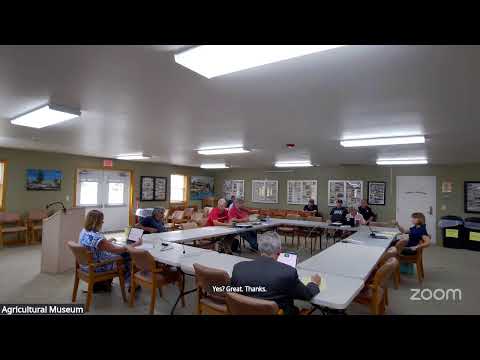
Cayuga County officials said the county will prepare a local law to align the county’s short-term rental (STR) rules with a recently enacted New York State registry that requires hosts to register and provide a registry number to platforms. County tourism staff and the treasurer told the Ways and Means Committee they expect the change to increase transparency and tax compliance while leaving the county’s existing registry practices largely intact.
The county’s treasurer reported the county will receive a quarterly OTB distribution of about $78,473, up from roughly $53,700 a year earlier, then turned to the STR item and invited Karen Cole from tourism to explain the county’s plan. Cole said the state’s new law creates a statewide registry and requires platforms such as Airbnb to block listings that do not show a registry number. “We already have a pretty good registry right now,” she said, estimating the county currently has about 250 short-term rentals and that the county’s registry captures roughly 90 percent of known listings.
The treasurer and tourism staff said the county’s local law language is not specific enough to mirror the state statute and that county counsel (Fred) is preparing draft language. The committee was told staff plan to bring a single local law to the full legislature within about a month so the county’s ordinance mirrors state requirements and reduces listings “running under the radar.”
County officials said platforms’ new enforcement of registry numbers should reduce noncompliant listings and likely prompt a modest increase in county revenue from sales and occupancy taxes already collected from many STRs. Committee members asked whether the county’s current bed‑tax collection already covers STRs; staff said some unregistered listings likely are not remitting the bed tax and the state registry should improve collection.
There was no vote on the local law at the committee meeting; staff said the draft local law and associated resolution will be presented to the full legislature for public hearing and vote. County staff emphasized the change updates local language to match state requirements rather than create a new tax.
Looking ahead, staff said they will return with the draft local law and resolution for the legislature’s consideration and the required public notice process for local laws.