Get Full Government Meeting Transcripts, Videos, & Alerts Forever!
Get email alerts on the Planning Permits topic
No spam. Unsubscribe anytime.
Staff outlines permit types, appeals and when projects reach the Planning Commission
Summary
Planning‑division staff reviewed Municipal Code section 11.51.0.03 and explained which permits are administrative, which are discretionary and which the planning commission reviews; staff also summarized 2024 permit counts and recent appeals to council.
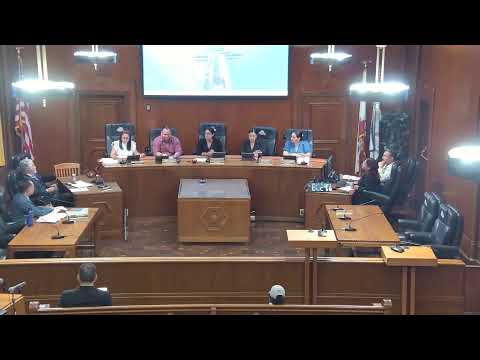
Community development staff presented a training on Municipal Code section 11.51.0.03 to explain how permit decisions are routed among staff, the Planning Commission and the City Council.
The staff presentation explained three permit tracks in the code: administrative approvals (handled by the community development director and appealable to the commission), discretionary “A” permits (conditional use permits, variances and site plan reviews decided by the Planning Commission and appealable to council) and higher‑level discretionary “B/C” actions (density bonuses, specific plans, zoning amendments and parcel maps) that are advisory to the commission and decided by the City Council.
Staff described administrative approvals as including accessory dwelling units, SB 9 units and many tenant improvements that are reviewed ministerially at the director level; the director’s decisions may be appealed to the Planning Commission, which then holds a public hearing. For discretionary permits handled directly by the commission, staff said residents and owners within 1,000 feet of the subject property receive mailed notice and the Daily Breeze notice is posted at least 10 days prior to hearings.
To illustrate workload, staff reported that in calendar 2024 the city processed 105 residential administrative approvals at staff level: 86 accessory dwelling units and 15 junior ADUs among them, plus other ministerial permits. Since January 2024 through June 2025, the commission reviewed about 12 projects, approved nine resolutions and denied two (both related to the Alameda truck yard facility); the SoFi project and other items were appealed to council.
Staff said administrative review typically begins with a 30‑day completeness check under the Permit Streamlining Act; after corrections and a complete submittal, the director issues a decision unless the item is appealed. The director can impose discretionary conditions on administrative approvals; those decisions may be appealed to the Planning Commission and ultimately to City Council within the code’s appeal timelines.
The commission received the workshop presentation for its information; commissioners asked detailed questions about temporary certificates of occupancy, the role of building safety versus planning, the city fee schedule and how “business friendly” code changes generally reduce time and cost for applicants.