Get Full Government Meeting Transcripts, Videos, & Alerts Forever!
Get email alerts on the Development Cfd topic
No spam. Unsubscribe anytime.
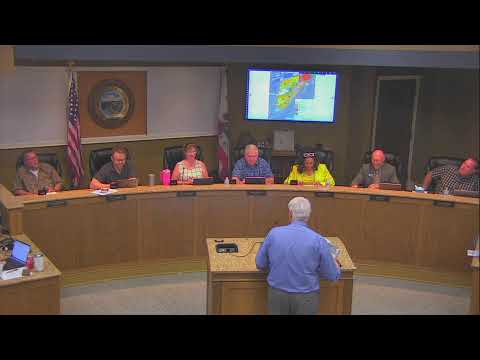
Developer outlines plan for hundreds of homes in Oroville, asks city to support CFD financing
Summary
A development group presented plans for roughly 400–700 homes in and near Oroville and asked the City Council to support forming a Community Facilities District (CFD) to finance infrastructure; a municipal advisor gave an overview of how CFDs work.
A developer told the Oroville City Council it wants to build hundreds of new market‑rate homes in and near Thermolito and asked the city to help by forming a Community Facilities District, a tax mechanism commonly called a CFD or Mello‑Roos district.
The presentation was led by Vladimir Caslanka, introduced as a principal at Premier Enterprise Inc., who said his team controls or has contracts for multiple subdivisions inside and adjacent to the city. “The ones that I’ve shown today was a little under 400. However…we have about 700 total,” Caslanka said, adding the company aims to price starter homes near the county median so they are affordable to first‑time buyers.
Council members pressed the developer on timing, infrastructure and annexation. Councilman Webber asked when construction could start on the subdivision Ruddy Creek; Caslanka replied, “We can technically start in about a week and a half…we believe that’ll happen here in the next 2 to 3 weeks.” Several council members said they welcomed the investment but cautioned about coordinating with water/sewer districts and LAFCO for any annexations.
After the developer’s presentation the council heard a separate, detailed primer on CFDs from a municipal advisor, Dimitri (municipal advisor). He explained CFDs allow a city to issue tax‑exempt bonds repaid by a special tax on properties in the district to finance public infrastructure that benefits the new development. He emphasized that CFDs typically require a vote (often by property owners where few residents live) and that bonds are limited obligations payable from the special tax, not the city’s general fund.
Dimitri described the formation steps, uses (streets, water, sewer, parks, design and construction costs for public facilities) and the role of a municipal advisor, bond counsel and special‑tax consultant. He also warned that bond investors want evidence of developer progress before buying large bond issues and that the city should structure CFDs prudently so assessments remain affordable to homeowners.
Council members and staff agreed there was general support to continue working with the developer; no formal CFD formation was approved at the meeting. City staff said they would report back with follow‑up steps for developers, LAFCO coordination and required financing analyses.
The developer presentation and CFD briefing together framed a multi‑year development push that would require annexations, infrastructure upgrades, and interagency coordination before any bonds were sold.