Get Full Government Meeting Transcripts, Videos, & Alerts Forever!
Get email alerts on the Municipal Finance topic
No spam. Unsubscribe anytime.
Mat-Su Borough staff outline fuel excise tax proposal as long‑term pay‑as‑you‑go option for roads
Summary
Borough administration presented a proposed fuel excise tax as a mechanism to raise pay‑as‑you‑go revenue for road and school capital needs and to avoid increased long‑term debt; public commenters expressed mixed reactions including calls for property tax relief and protections against new taxes.
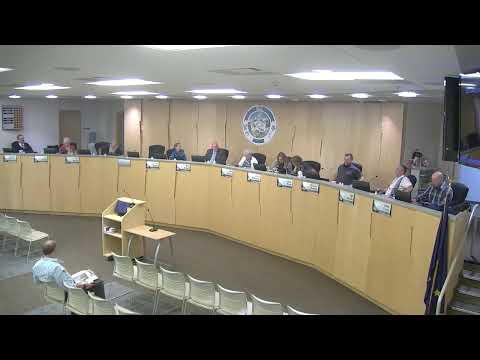
The Matanuska‑Susitna Borough manager presented a draft fuel excise tax proposal at the June 17 assembly meeting, framing it as a pay‑as‑you‑go funding option for future capital needs and a way to avoid increasing long‑term debt.
Manager Sam Brown told the assembly the borough is in “a very good financial position” but faces rising long‑term debt pressures if state participation in school and road packages continues to fall to zero. He said the excise tax would be dedicated to capital improvements, would not apply to aviation, marine or home‑heating fuels, and would capture revenue from non‑residents who use borough roads.
“To look 10 years out,” Brown said, the borough modeled $330 million in road packages and $250 million in school packages and found debt service and the millage equivalent could grow substantially if the state stops participating in reimbursements. “The proposal … is really about establishing a pay‑as‑you‑go mechanism as opposed to selling bonds or accruing debt in the future for road improvements,” he said.
Brown said the borough received recent double‑A plus bond ratings and wanted to be clear the proposal is about future funding choices rather than current fiscal distress. He said the ordinance would not be scheduled for public hearing until July 15 so the community will have time to comment.
Public comment at the meeting included both support and opposition. John Miller, a resident, said he favors shifting some burden away from property taxes and suggested the tax include a sunset clause so the community can reassess; he also said people will be wary unless they see a clear property‑tax offset.
By contrast, Linda Spohn told the assembly she opposes any tax increases without cuts, saying public safety and road maintenance should be prioritized and expressing distrust that the tax would be limited to roads. “This is a tax increase that would go into the general fund probably for everything but roads,” she said.
Other speakers urged assurances that fuel excise revenue would reduce property‑tax pressure or be placed on a ballot. Manager Brown later told the assembly staff is preparing additional material, including a draft resolution to clarify how any new revenue should be used and that possible amendments — including a sunset clause — were expected to be discussed before any final ordinance.
Why it matters: Brown said the analysis shows state participation in school‑debt reimbursement and road matches is eroding toward zero, which would shift more of the burden to local taxpayers. The manager and staff presented the tax as a tool to broaden the revenue base to include all road users, not just property owners, and to avoid larger future debt loads that could crowd out other municipal services.
What’s next: The borough will publish supporting material online ahead of the July 15 public hearing. Staff said a draft resolution to guide how revenue would be used and at least one assembly member intends to propose a sunset amendment; both items are expected before the public hearing.