Get Full Government Meeting Transcripts, Videos, & Alerts Forever!
Get email alerts on the Elections Transparency topic
No spam. Unsubscribe anytime.
Davis County clerk details signature-audit errors; residents urge transparency and legal review
Summary
Public commenters pressed the county Friday about candidate petition signature errors and withheld voter rolls; county clerk said auditors found human errors and lawmakers added verification and transparency measures.
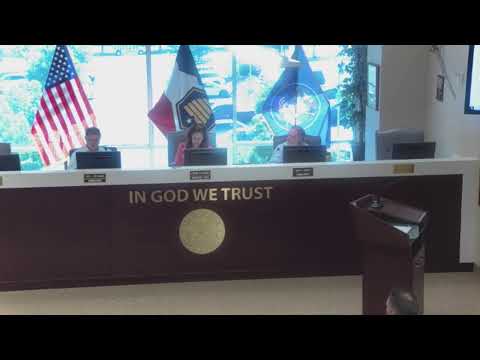
Residents raised concerns in public comment at the Davis County Commission meeting on June 17 about errors in the 2024 candidate petition certification process and the large number of withheld or “private” voter records. County election staff responded with an explanation of findings from the legislative audit and recent statutory changes intended to increase transparency.
The exchange began during public comment when Tina Horlocker of Syracuse said county election staff “owned up to those mistakes” at a legislative committee and asked the clerk to specify “what those mistakes are” and how they are being corrected. Jennifer Garner of Layton also said she was concerned that “the voter rolls having 40% of our our voters be either withheld or private is concerning as far as transparency goes.”
Bridal McKenzie of the Davis County Clerk’s Office and other clerk’s office staff later addressed those concerns in the meeting’s closing remarks. McKenzie said the legislative auditors identified an error rate in candidate petition packet review, and that “those are the mistakes I’m referring to,” meaning signatures that were counted when they should not have been and signatures that were rejected when they should have been counted. McKenzie summarized the office’s performance as “somewhere around 97% to 99% perfect” and said the remaining human errors are the focus of corrective measures.
McKenzie described three concrete responses already enacted or supported in the last legislative session. First, SB 164 now requires an audit before certification of candidate signatures so errors can be caught and corrected earlier. Second, the law permits verification of additional signatures when problems are found after an initial certification, addressing a prior limit that forced certification to stop once the threshold was met. Third, the law increased transparency by allowing candidates and opposing parties to inspect petition packets in full (without photographs), and it establishes observers to monitor the process.
At the start of the meeting the clerk’s office presented 15 interlocal agreements with cities across Davis County for election administrative services; the commission approved those agreements. Bridal McKenzie noted updated SF-424B forms for federal grants were provided to the commissioners for a separate agenda item.
The clerk invited residents with further questions to contact the office or attend town-hall sessions the office holds for public review and said staff are available for one-on-one meetings to explain procedures and changes.
Ending: The county’s next steps, as described by the clerk, focus on implementing SB 164’s audit and transparency measures and continuing outreach to the public. The commission did not take separate action on the audit summary during the meeting beyond approving routine interlocal election agreements and hearing the public comments.