Get Full Government Meeting Transcripts, Videos, & Alerts Forever!
Get email alerts on the Child Welfare topic
No spam. Unsubscribe anytime.
Committee hears $14 million child‑welfare supplemental; director outlines prevention push and foster‑family recruitment
Summary
The Department of Health and Welfare described a $14 million supplemental for foster care cost overruns in fiscal 2025 and proposed prevention investments and recruitment efforts meant to reduce reliance on congregate care and lower long‑term costs.
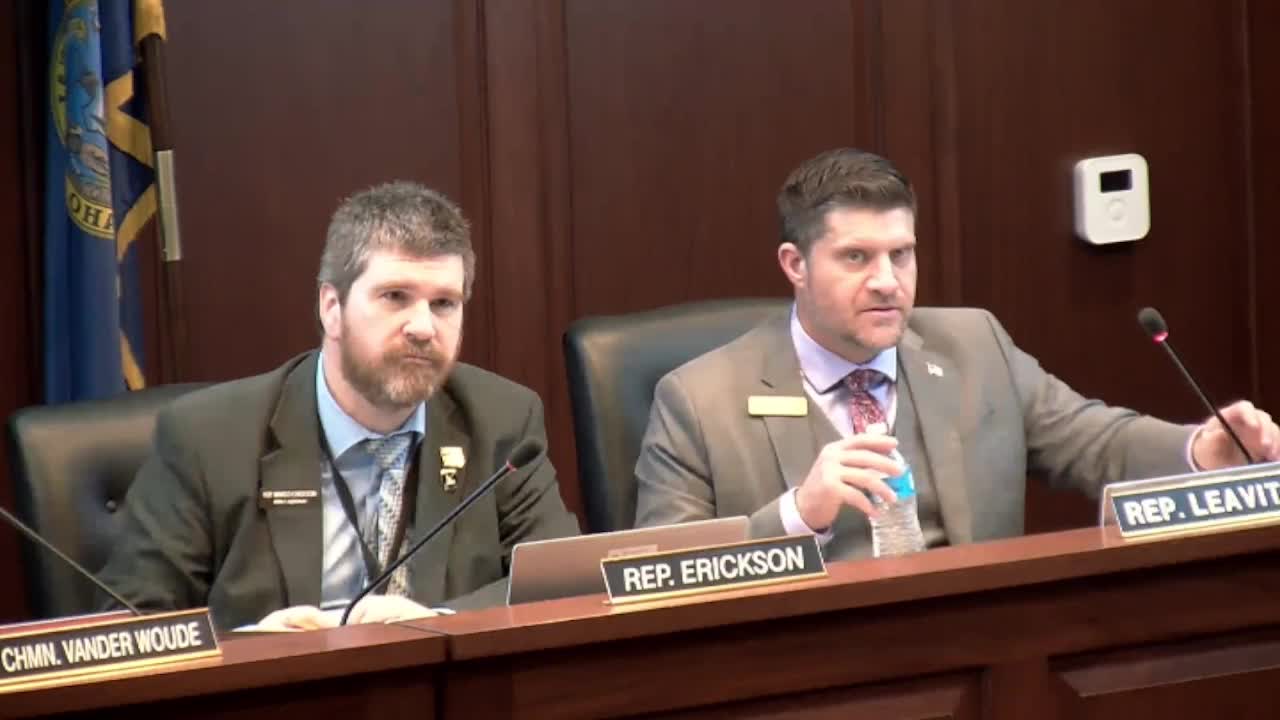
BOISE, Idaho — The Idaho House Health and Welfare Committee on Feb. 10 heard detailed testimony about rising costs in child welfare and a $14 million supplemental the Department of Health and Welfare is requesting for fiscal 2025.
Director Alex Adams told the committee the supplemental responds to cost overruns in the current year caused by higher acuity among children in state custody, rising mental‑health and substance‑use needs, and a lack of community‑based placement options. “Child welfare is an entitlement program. If a child is committed to the custody of the department, we have a legal obligation to pay for their care,” Adams said.
Adams and budget analyst Alex Williamson said the department has seen escalations in supplemental requests over recent years and is seeking upfront investments in fiscal 2026 to reduce the pattern of recurring supplementals. Adams described the supplemental as a “bailout for the current year” that had been projected at $24 million before department interventions reduced the request to $14 million.
Adams and Williamson described several department strategies to reduce congregate care and increase foster placements: a prevention specialist team (36 new positions recommended in the governor’s proposal), additional licensing and clinical staff to speed foster family approvals, and targeted recruitment. Adams said the department has launched an “office of faith” with staff who visit congregations to recruit new foster families and noted the length of time between initial interest and licensing is often long. “Only about 5% of the population will ever think about fostering,” Adams said, adding that it can take about 18 months from first interest to licensing.
Adams provided several quantitative markers the department is tracking: last year there were 176 children in short‑term rentals and similar congregate settings; as of November, Adams said, that number had fallen to 0. He said foster family availability has improved from roughly 74 families per 100 children to about 93 families per 100 children and reported congregate care counts have declined from a recent peak. Adams emphasized the department’s preference to “keep more kids in their home” where safe, and described a prevention model cost comparison: “That’s a dollar 80 a day. For those that come into the system, foster care is $16 a day versus $3.80 for congregate care.”
Representative Lavin asked whether the foster care forecast adjustment is a long‑term investment; Adams said the supplemental covers current‑year costs and that the department’s fiscal‑26 requests aim to bend the cost curve over time by expanding prevention, foster recruitment and kinship placements.
Representative Rubel questioned the department’s focus on churches for recruitment; Adams said his language may have been imprecise and that recruitment efforts are open to all faiths and communities, but that research shows families of faith can be a productive outreach avenue. Multiple committee members praised the department’s efforts and asked Adams to supply further data on referral and substantiation rates.
The committee did not take a formal vote on the supplemental during this hearing; Adams and staff were asked to provide additional materials and updates to support later deliberations.