Get Full Government Meeting Transcripts, Videos, & Alerts Forever!
Get email alerts on the K 12 Education Funding topic
No spam. Unsubscribe anytime.
House education chair urges continued investment, warns rural schools face greatest funding risk
Summary
House Education Chairman Doug Pickett told the Joint Finance-Appropriations Committee that Idaho has increased K-12 spending in the last decade but rural districts still face large funding gaps for facilities, special education and transportation and need targeted support.
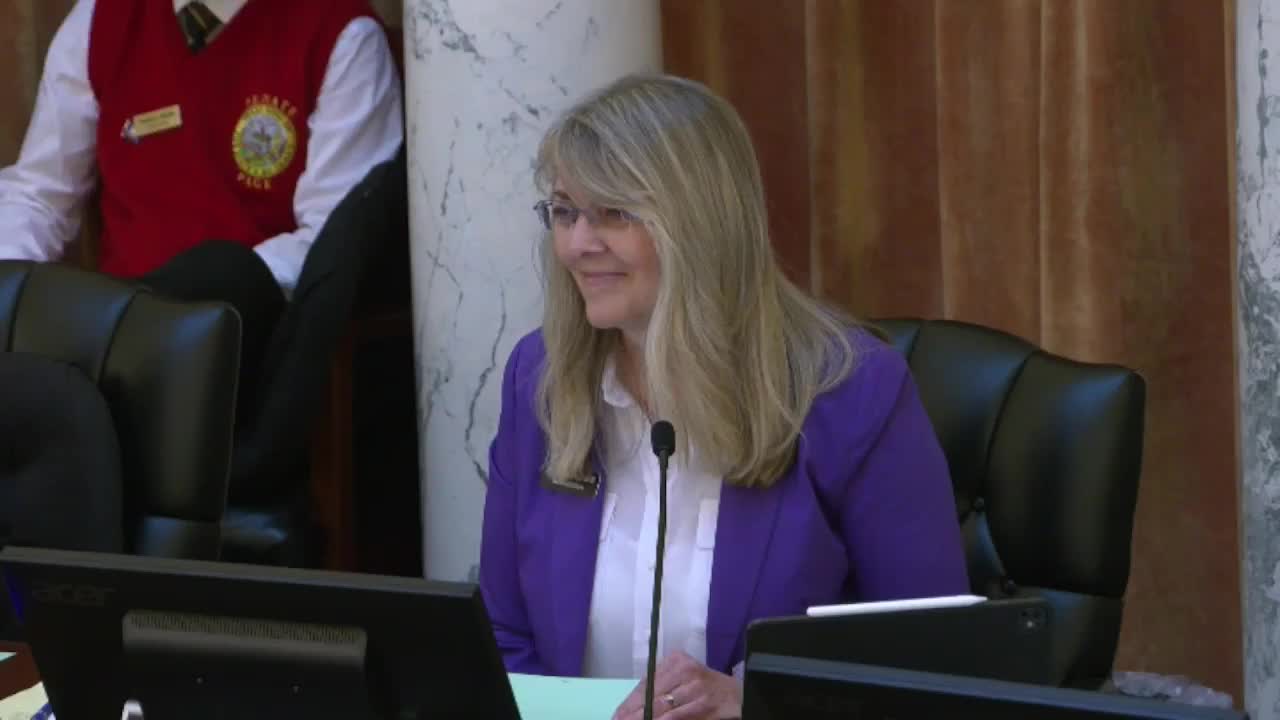
Doug Pickett, chair of the Idaho House Education Committee, told the Joint Finance-Appropriations Committee on March 7 that Idaho’s public education system has seen significant funding gains over the past decade but that rural districts remain at risk if funding priorities shift.
Pickett, who represents House District 27, said the statewide K-12 budget doubled over the last 10 years from about $1.4 billion to about $2.8 billion even though student counts rose by less than 9 percent. He said average teacher pay in Idaho has climbed to nearly $63,000 this school year, a roughly 42 percent increase over the last decade, and thanked the committee for an additional $83 million the Legislature approved this year for teacher pay.
Pickett framed the issue as a matter of equity and practicality: while supporting expanded career and technical education (CTE) and trade-focused pathways such as HVAC, plumbing and electrical, lawmakers should not sacrifice mastery of “the basics” in math, science, history and communication. He said demand for CTE is highest at community colleges, where programs are “significantly oversubscribed,” and that colleges and secondary schools face competition with the private sector for qualified CTE instructors.
Why it matters: Pickett said moving to student-based funding formulas without appropriate weights for rural districts risks underfunding transportation, facilities, special education services, teacher recruitment and retention, English-language learners and gifted programs. He cited several estimates he said the Legislature is considering: a roughly $3 billion statewide facilities funding gap; an $83 million shortfall for special-needs services; about $5 million to retrain teachers in phonics-based early literacy instruction; and $35 million for outcome-based funding work.
Pickett also noted that Idaho now offers a broad set of school-choice options following recent legislation, and that choices vary in availability between rural and urban areas. He asked the committee to ensure that any federal funding that arrives as block grants or direct payments continue to be used for their intended education purposes and not repurposed.
Pickett closed by thanking JFAC for past investments and said his committee intends to continue work on distribution of transportation funding and structural considerations tied to federal education policy.