Get Full Government Meeting Transcripts, Videos, & Alerts Forever!
Get email alerts on the Education Funding topic
No spam. Unsubscribe anytime.
House education chair urges continued investment in K-12, warns rural schools risk being left behind
Summary
Representative Doug Pickett told the Joint Finance-Appropriations Committee that Idaho has increased K-12 spending and teacher pay over the past decade but that rural districts face unique funding needs, calling for targeted support for transportation, special education and facilities.
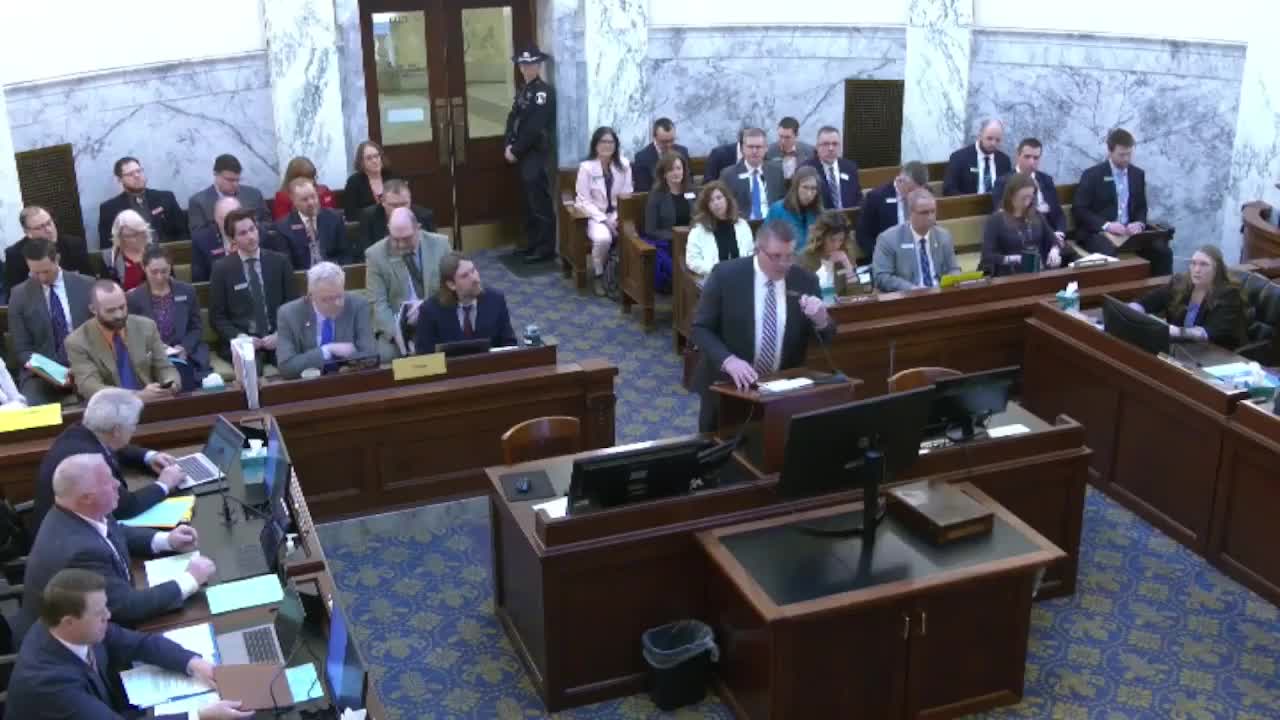
Representative Doug Pickett, chair of the Idaho House Education Committee, told the Joint Finance-Appropriations Committee on March 7 that Idaho has increased investment in public education but must prioritize rural districts and career-technical education capacity.
Pickett said Idaho’s K-12 budget “has doubled from 1,400,000,000.0 to 2,800,000,000.0” over the past decade and that “Idaho's average K-12 teacher pay has increased to nearly $63,000 this school year, representing a 42% increase over the past decade.” He thanked JFAC for the committee’s recent action to add “an additional 83,000,000 plus dollars” for teacher salaries and noted the state offered districts the option for teachers to enroll in the state health insurance plan, a change he said provides an “approximately $4,000” benefit per teacher.
Why it matters: Pickett told the appropriations committee that, while the state should expand training for in-demand trades such as HVAC, plumbing and electrical work, it should not “sacrifice our basic classical education model.” He urged policymakers to avoid being “reactionary” while responding to labor-market demand and stressed that postsecondary community colleges face “significant capacity limitations” for career and technical education (CTE) programs and a rising need for qualified CTE instructors.
Pickett emphasized the special challenges of rural districts, saying many Idaho communities depend on their local public schools. He cited an Idaho Code definition used in the presentation for rural districts and said “in most cases, rural public schools are the backbone of the entire community in which they reside.” He warned that the greatest threat to public education would be “neglecting to adequately fund our rural public schools,” and listed priority funding gaps discussed by his office: an estimated $3,000,000,000 facilities gap statewide; an estimated $83,000,000 gap for special needs; $5,000,000 to retool teachers on phonics for early literacy; and $35,000,000 for outcome-based funding work.
Pickett also raised concern about federal funding structure changes, saying his committee would prefer federal funds to “continue to go toward their intended purposes, and that they continue to pass through, rather than being repurposed or redirected to other needs,” should block grants or direct payments become more common.
Ending: Pickett closed by offering to answer questions and by thanking the JFAC members for their ongoing support for education funding. The committee did not take formal action on Pickett’s remarks; his comments were offered as context during the committee’s budget work that day.