Get Full Government Meeting Transcripts, Videos, & Alerts Forever!
Get email alerts on the Pardons And Parole topic
No spam. Unsubscribe anytime.
Idaho Parole Commission seeks higher commissioner pay as staff turnover looms; commissioners uncompensated for preparatory work
Summary
The Commission of Pardons and Parole asked the budget committee to support legislation increasing commissioner pay from $300 to $400 per hearing day and highlighted that commissioners are not compensated for several days of unpaid preparation each month, contributing to turnover concerns.
The Idaho Commission of Pardons and Parole asked the Joint Finance Preparations Committee on Feb. 4 to consider a statutory pay raise for commissioners and funding for modest equipment replacement as the agency faces turnover in experienced commissioners.
Noah Peterson, budget and policy analyst, summarized the commission’s enhancement request to raise daily commissioner pay from $300 to $400, a change the commission said would require amendment to Idaho Code section 20‑1002. Peterson said commissioners last received a pay increase in 2017; the commission reported the number of decisions delivered rose from 5,907 in 2017 to 6,670 in fiscal 2024.
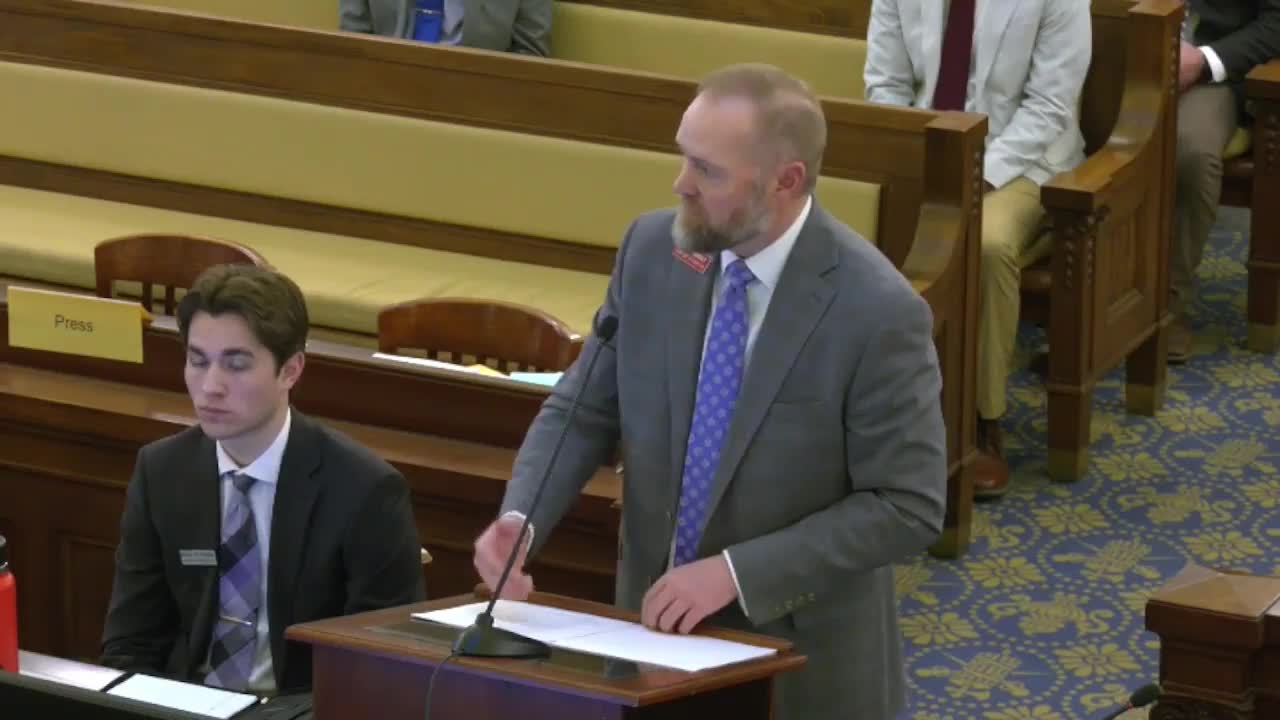
Christine Starr, executive director of the Commission of Pardons and Parole, told the committee she has led the agency for roughly three months and that she expects to lose more than half the commission by the end of the year. Starr said commissioners are paid only for hearing days by statute and described unpaid preparation time: commissioners typically do five days of hearings per week and, by Starr’s calculation, spend roughly 26 hours preparing — the equivalent of about 3.25 workdays — for those hearings.
Starr told the committee that commissioners cite inadequate compensation as a common reason candidates decline appointment. The commission also requested nine replacement laptops at $12,600 recommended by the Office of Information Technology Services. Peterson said the governor’s recommendation would fund the pay increase at a partial level constrained by a 3% general‑fund growth ceiling; the fiscal impact of a full statutory change would be about $59,300.
Committee members asked about hearing schedules. Representative Manwaring asked how many days are scheduled; the commission’s executive director said commissioners generally conduct hearings three weeks every month across all weekdays, year‑round. Senator Wintrow suggested the legislature should examine compensation and the work expected of commissioners because the role involves significant preparation that is not compensated under current statute.
No formal action was taken; agency officials said they would continue work on process improvements and analysis of commission staffing models.