Get Full Government Meeting Transcripts, Videos, & Alerts Forever!
Get email alerts on the Healthcare Workforce Dentistry topic
No spam. Unsubscribe anytime.
IDEP asks JFAC to fund one additional dental seat to expand Idaho dentists pipeline
Summary
Idaho Dental Education Program requested $54,000 ongoing for one additional seat as part of a long-term plan to reach 36 seats; program leaders said most graduates return to Idaho and the program helps lower debt and increase retention.
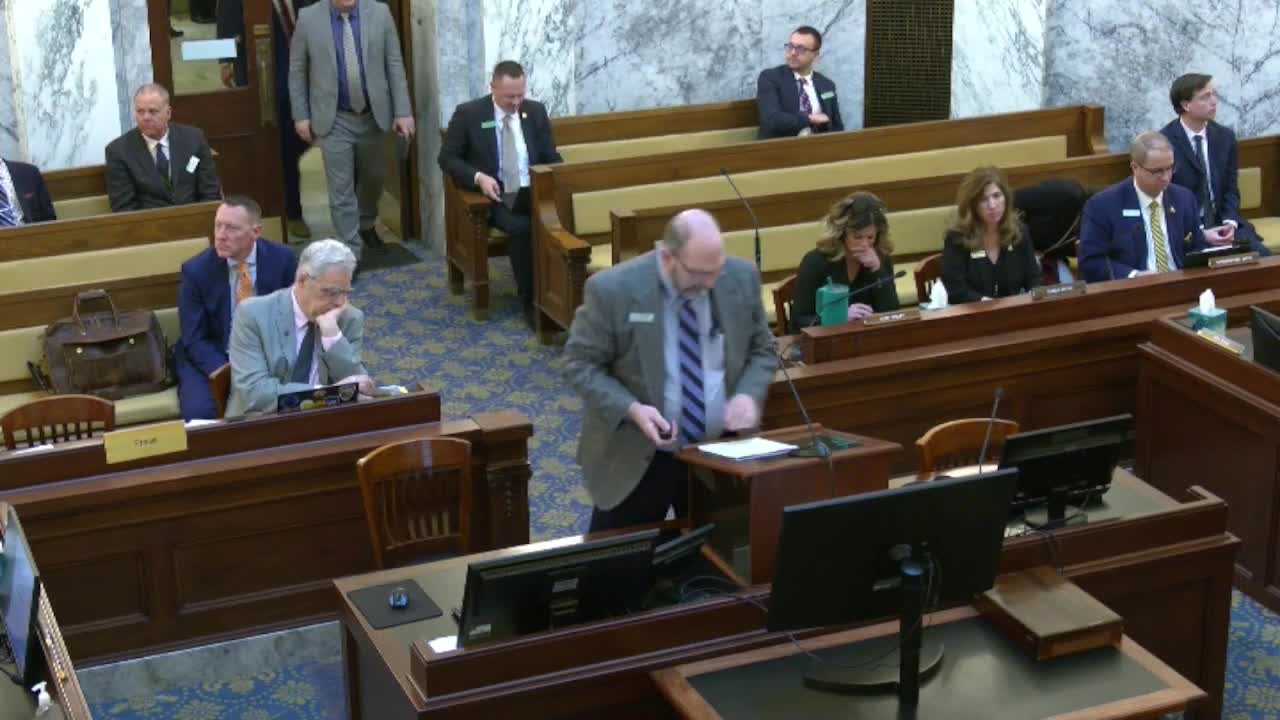
The Joint Finance-Appropriations Committee heard a presentation on the Idaho Dental Education Program’s FY2026 request for one additional seat, a request the program said would require $54,000 in ongoing general-fund support.
Kevin Campbell, a Legislative Services Office analyst, described IDEP’s structure: Idaho students take their first year of dental training at Idaho State University and complete training at Creighton University School of Dentistry in Omaha under a contractual arrangement. Seats are reserved for Idaho residents and participating students receive a discounted tuition rate through the contract.
Why it matters: the program is intended to increase the number of dentists practicing in Idaho, particularly in smaller and rural communities. Director Jeff Weibargin, an IDEP alumnus who directs the program, told the committee that historically the program has returned a majority of graduates to Idaho practice.
Weibargin and Campbell said IDEP has 3.25 FTE, no vacancies for FY2026, and that the program has no trouble attracting qualified applicants: Campbell said IDEP typically receives 30–50 applications annually; Weibargin noted prior cycles with as many as 120 applicants. The FY2026 enhancement request is for one additional seat at an ongoing cost of $54,000; the program said this is part of a multi-year goal to reach 36 seats.
Return-to-practice and workforce impact: Weibargin said long-term return rates to Idaho stand between roughly 65% and 80% depending on the time window used. He explained that students who go elsewhere for dental education often take on significantly higher debt, which reduces the likelihood they will return to Idaho to practice. He told the committee that IDEP graduates generally have higher immediate rates of return than students who attend other schools without subsidized seats.
No formal committee action or vote on the request was recorded in the transcript. Program leaders said an additional seat would be filled easily given the number of qualified applicants and the committee requested no further immediate clarification in the hearing.