Get Full Government Meeting Transcripts, Videos, & Alerts Forever!
Get email alerts on the Foster Care Extension topic
No spam. Unsubscribe anytime.
Senate committee forwards bill to extend foster-care support from 21 to 23
Summary
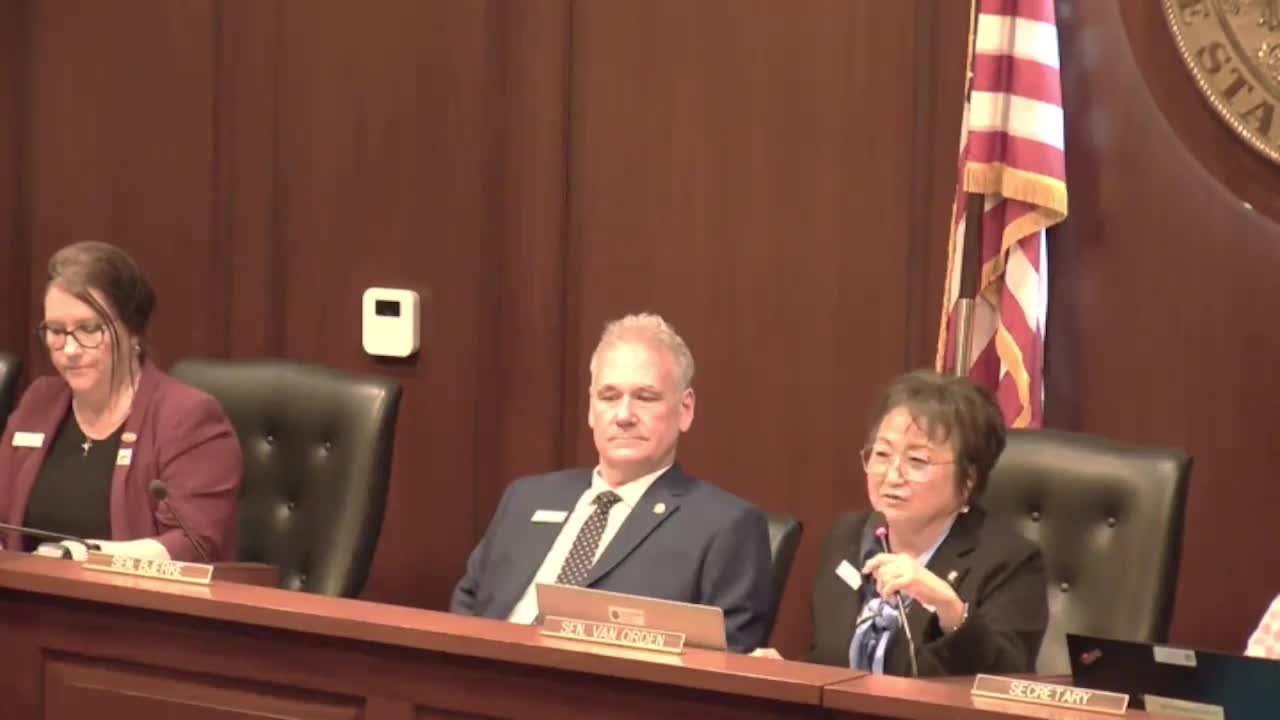
After hours of testimony from former foster youth, providers and foster parents, the Senate Health and Welfare Committee voted to send House Bill 245 to the floor with a due-pass recommendation. The bill would let eligible young people remain in foster-care supports until age 23.
The Senate Health and Welfare Committee voted to send House Bill 245 — a bill that would extend the age at which young people may voluntarily access foster-care supports from 21 to 23 — to the floor with a due-pass recommendation. Committee members heard testimony from former foster youth, foster parents, providers and Department of Health and Welfare staff before the motion passed. The motion to send the bill to the floor was moved by Senator Blaylock and seconded by Senator Harris; one senator announced a “no” during discussion, and the committee proceeded with a due-pass recommendation.
Supporters said the extra two years provide a narrowly targeted runway for young people whose childhoods were disrupted by abuse, neglect or instability. Former foster youth described how services and modest financial supports paid while in extended care helped them keep housing, stay in school and access medical care; they and advocacy groups testified that the additional time reduces homelessness, arrests and unintended pregnancies and increases the odds of college completion. Shane Hanson, a foster parent and nonprofit leader, and several foster-alumni speakers urged lawmakers to approve the bill as a preventative investment in the state’s most vulnerable youth.
Department of Health and Welfare staff told the committee the proposal is intended to preserve the department’s current protections and supports as services move further toward contractor-provided care. Senior department staff described the program as voluntary and said an extended-care participant must have a transition or independent-living plan and ongoing case-manager contact. The department said it supports the bill and flagged that most states already operate some form of extended-care program. Committee members said they want to monitor outcomes if the bill becomes law.
Why it matters: Witnesses and staff told the committee that many youth who leave care at 18 or 21 lack the life skills, stable housing and supports their peers receive, and that a short extension can reduce immediate harm while youth pursue work or education. Supporters framed the measure as a narrow, targeted, budget-neutral prevention step; some members said they remain reluctant to expand government programs but voted for the measure after hearing personal testimony.
What the bill does: House Bill 245 would allow eligible foster youth to remain in the foster-care system and access foster-care supports until age 23. The measure clarifies placement rules for relatives providing care, including the department’s authority to expedite licensure or grant limited variances for relative caregivers. Supporters said the bill is voluntary for youth and retains existing program requirements, while advocates said the added time would reduce homelessness and involvement with the criminal-justice system.
Committee action: The committee approved a motion to send House Bill 245 to the full Senate with a due-pass recommendation. Debate on the motion included support from several committee members citing testimony from foster alumni and foster parents; at least one senator said he would vote no. The bill will next go to the Senate floor for debate and a final vote.
What’s next: If the Senate passes the measure, the department and partners said they will provide outcome data where possible. Several witnesses urged lawmakers to revisit the issue after implementation to track impacts on housing stability, employment and education outcomes.
Ending note: Committee testimony emphasized that the bill is voluntary for youth and aimed at reducing short-term harms that follow aging out of care; advocates called the change both a moral and practical investment in public-safety and long-term outcomes.