Get Full Government Meeting Transcripts, Videos, & Alerts Forever!
Get email alerts on the State Budget topic
No spam. Unsubscribe anytime.
Workgroup briefed on statewide budget decisions: revenue options, health benefits and compensation choices
Summary
Legislative staff presented statewide decision packages including two revenue forecasts, personnel benefit cost options, contract inflation, statewide cost allocation changes and competing employee compensation (CEC) proposals the committee will vote on this week.
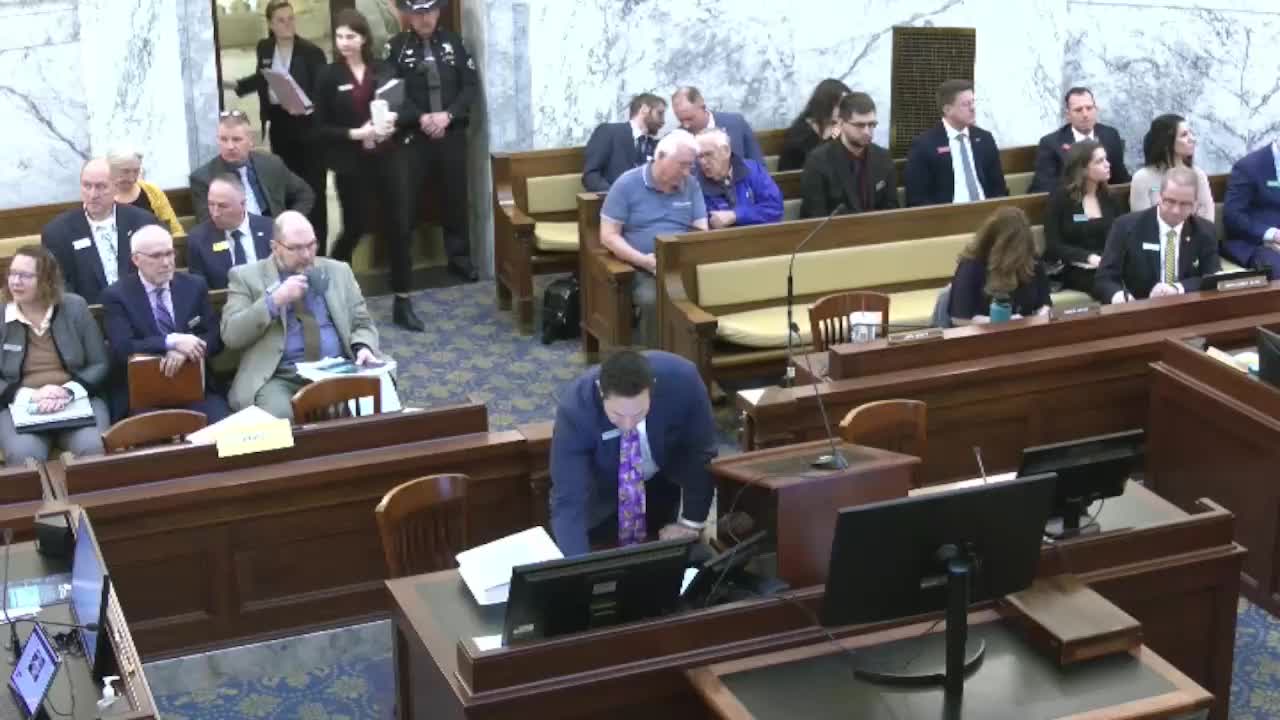
Division manager Keith Bybee and budget staff walked members through the statewide decision packet that the workgroup must set before agency‑level budgets are adjusted. The packet includes two alternative general fund revenue baselines, recommended adjustments for personnel benefit costs (notably health insurance), contract inflation, statewide cost allocation updates and competing proposals for change in employee compensation (CEC).
Revenue options: committee members were presented two revenue baselines for FY2026 — the governor’s recommendation of $6.26 billion and the Economic Outlook and Revenue Assessment Committee’s recommendation of $6.40 billion for purposes of budget setting.
Personnel benefits and CEC: the packet contrasts the governor’s CEC and benefit proposals with a CEC committee recommendation. The governor’s package included roughly a $56.3 million personnel benefit cost adjustment (including a larger health insurance change) and a CEC package that the analyst described as a 5% or $1.55‑per‑hour equivalent merit for eligible permanent employees plus targeted salary schedule shifts; total statewide cost for the governor’s compensation package was described as about $179.7 million. The CEC committee’s recommendation was estimated at about $174.7 million statewide (a slightly lower aggregate number) and a flat $1.55 per eligible employee figure in the packet. Division staff cautioned the committee there were small pending adjustments to salary schedule calculations that could change figures slightly before Thursday’s vote.
Other statewide items: contract inflation was presented at $3.3 million statewide; statewide cost allocation changes were estimated to increase budgets by $5.5 million all‑funds (about $3.6 million general fund), with the largest impacts in the state controller’s office and the Office of Information Technology Services.
Why it matters: these statewide decisions set parameters that shape every agency’s program maintenance budget, and the committee signaled it will vote on these items this Thursday and incorporate them into program budgets later in the week. Several members asked for additional detail on the health insurance and reserve analyses before choosing the lower or higher funding option.
Ending: staff said they will circulate updated numbers and supporting memos; the committee scheduled votes on statewide decisions (revenues, benefits, contract inflation, cost allocation and CEC) during the week’s session.